
People
People
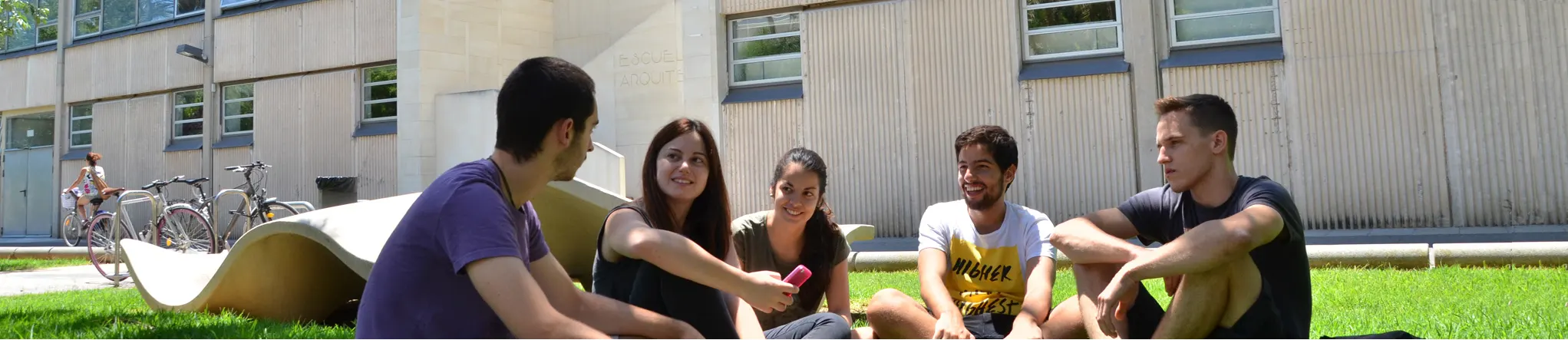
The UPV cares for the people who make up its community and those in the surrounding community. Among other initiatives, the Scholarships Office processes financial aid so that no one has to stop studying due to financial reasons; the Juana Portaceli Occupational Health Center cares for and promotes the health of the entire university community; and the Equality and Diversity Office works to promote equality and combat all forms of discrimination. Here you’ll find, SDG by SDG, information on its education, research, endowed chairs, services, and reports.
Page contents

Scholarship Unit
The Scholarship Office is part of the Student Services Department and manages applications for scholarships and financial aid offered by the Ministry of Education, the Valencian Regional Government, as well as those offered by the university itself and other organizations. + info
Juana Portacelli Health Center
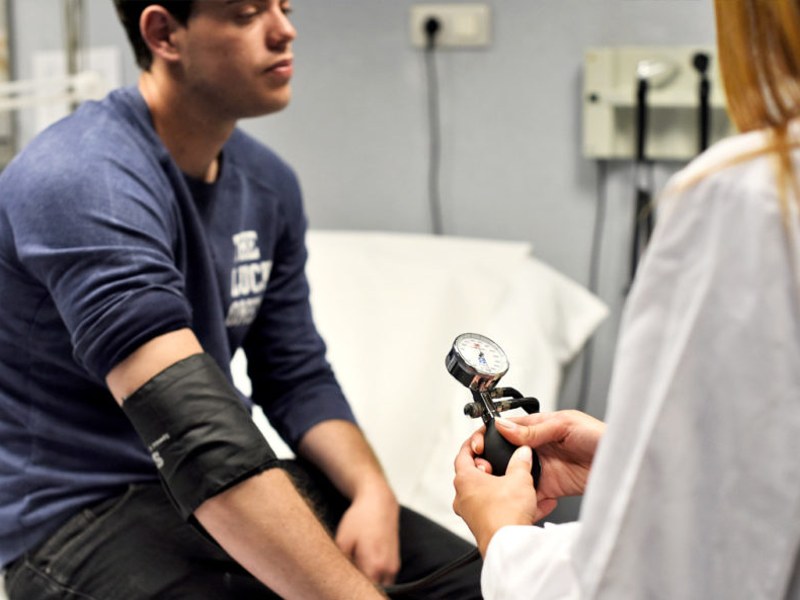
The Juana Portaceli Occupational Health Center is the medical unit of the Integrated Occupational Health and Safety Service, which carries out the specific tasks established in occupational safety regulations and provides medical care, medical counseling, and health promotion services to the entire university community.
Equality and Diversity Unit
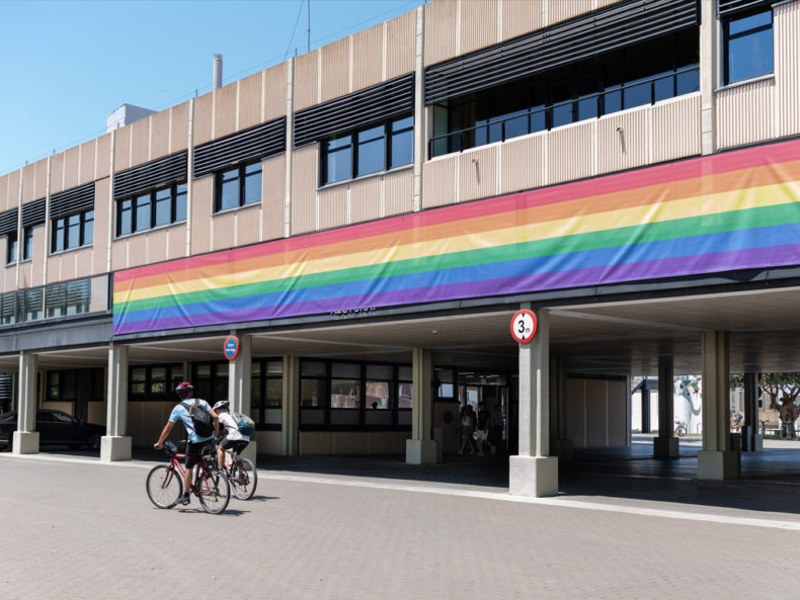
The Equality Unit is responsible for raising awareness about equality and managing diversity based on LGBTI+ identity, origin, and culture, in accordance with the policies adopted by the UPV regarding equality and non-discrimination, as well as for providing guidance, coordinating, and evaluating those policies.
SDG 1. No Poverty
Ending poverty everywhere and in all its forms is the greatest challenge facing the world. In this regard, universities must contribute directly to promoting the development of strategies and actions that lead toward a development model focused on eradicating extreme poverty. The concept of poverty encompasses various dimensions of deprivation related to human needs: people’s right to meet basic needs, such as food (SDG 2), health (SDG 3), education (SDG 4), sufficient income and decent work (SDG 8), access to clean water and sanitation (SDG 6), and participation in decision-making (SDG 16). Poverty and inequality (SDG 10) are intrinsically linked, as poverty does not exist in absolute terms but rather in relation to a specific reality and context.
Education, Research, UPV Chairs, University Services, and Reports
Training
Research
UPV Chairs
University Services
Reports
SDG 2. Zero Hunger
The university promotes initiatives to ensure that everyone can exercise their right to sufficient and nutritionally adequate food, both on and off campus. Access to food has a direct impact on people’s health and well-being (SDG 3), contributes to better academic performance (SDG 4), depends on access to clean water (SDG 6) and the existence of unpolluted terrestrial and marine ecosystems (SDGs 14 and 15).
Education, Research, UPV Chairs, UPV Services, and Reports
Training
Research
UPV Chairs
UPV Services
Reports
SDG 3. Good Health and Well-being
In addition to training professionals in the health fields, conducting research, and contributing to the development of medical and pharmacological products, the university fosters healthy and wholesome living environments on its campuses. In this regard, we have identified two key areas within this Sustainable Development Goal: first, the health sector, which involves providing medical services and monitoring the health of the university community; and second, an area focused on promoting healthy practices and habits, such as sports.
Education, Research, UPV Chairs, Services, and Reports
Training
Research
UPV Chairs
Services
Reports
SDG 4. Quality Education
Education is a fundamental tool for improving people’s lives and contributing to sustainable development. Education, along with research and knowledge transfer, is the cornerstone of universities. In this regard, this Sustainable Development Goal is the one that most closely aligns with the purposes of university activity: The university is committed to ensuring quality and affordable education. In recent years, significant progress has been made in improving access to education at all levels, and enrollment rates have increased, particularly among women and girls.
Education, Research, UPV Chairs, Services, and Reports
Training
Research
UPV Chairs
Services
Reports
SDG 5. Gender Equality
Equality between women and men, encompassing all human diversity, is a fundamental right and the foundation for achieving a more just, peaceful, prosperous, and sustainable world. Human diversity—as the intersection of factors such as sexual identity, origin, culture, and personal status (with reference to people with disabilities and the guarantee of equal treatment and non-discrimination)—is present in all societies and contributes to their development.
Ensuring equal opportunities for women and girls in accessing education, health care, decent work, and representation in political and economic decision-making processes, among other areas, will foster more sustainable economies and benefit society as a whole.
This therefore establishes a cross-cutting relationship with many Sustainable Development Goals, such as: SDG 1. No Poverty; SDG 2. Zero Hunger; SDG 3. Good Health and Well-being; SDG 4: Quality Education; SDG 8: Decent Work and Economic Growth; SDG 10: Reduced Inequalities; SDG 11: Sustainable Cities and Communities; SDG 16: Peace, Justice, and Strong Institutions.
With regard to the university setting, we will focus on highlighting the policies and resources the university allocates to promoting equality between women and men in all their diversity and combating discriminatory practices in this context, both within and outside the university community.