
Planet
Planet
The UPV works to protect the environment and combat climate change from its campuses, classrooms, and laboratories. Among other initiatives, the Green Transition Unit promotes the university’s environmental sustainability; the Vera campus serves as a testing ground for decarbonization; and research groups such as LARS monitor methane emissions from space. Here you’ll find, SDG by SDG, its educational programs, research, endowed chairs, services, and reports.
Page contents
Green Transition Area
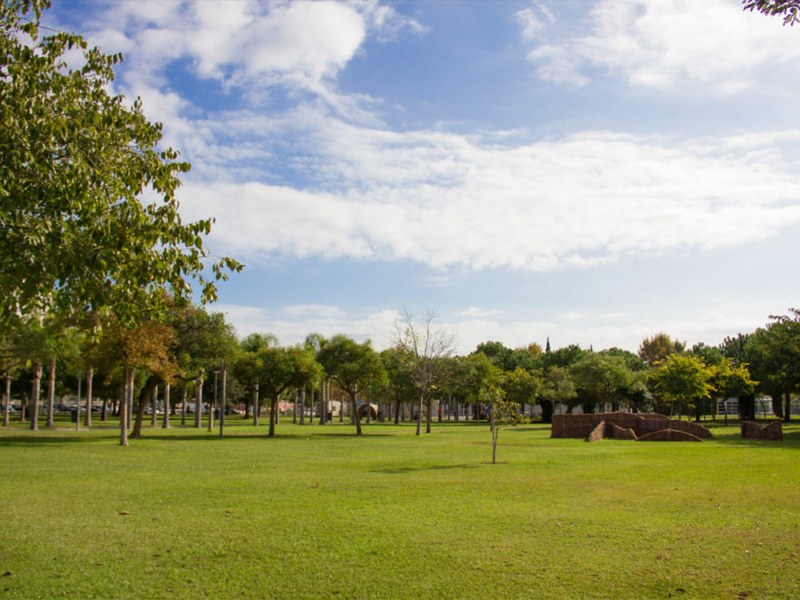
The Green Transition Unit implements the actions, programs, and initiatives of the Office of the Vice President for Sustainable Campus Development related to environmental sustainability and the institution’s eco-transformation.
The Challenge of Decarbonization
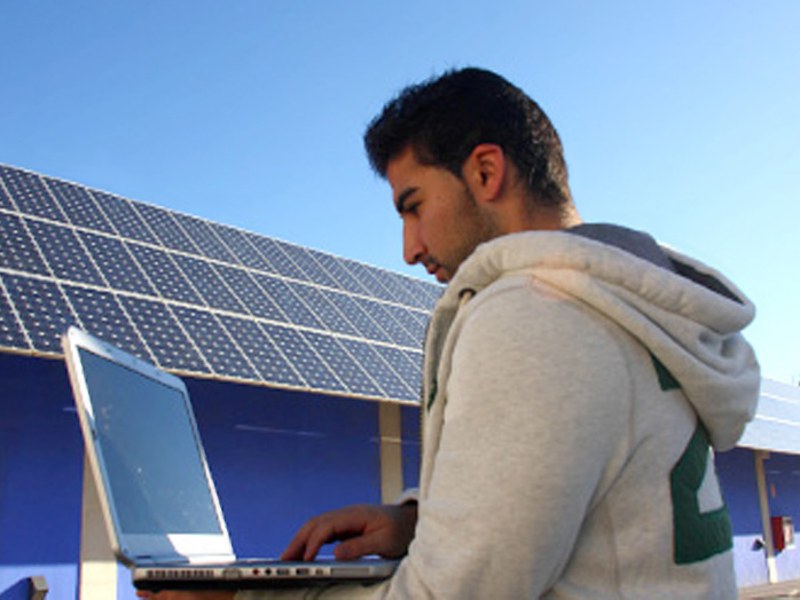
The Vera campus serves as a laboratory and testing ground for generating knowledge about decarbonization—knowledge that can be applied to the surrounding community—while also providing scientific guidance and promoting related educational and research projects in this field.
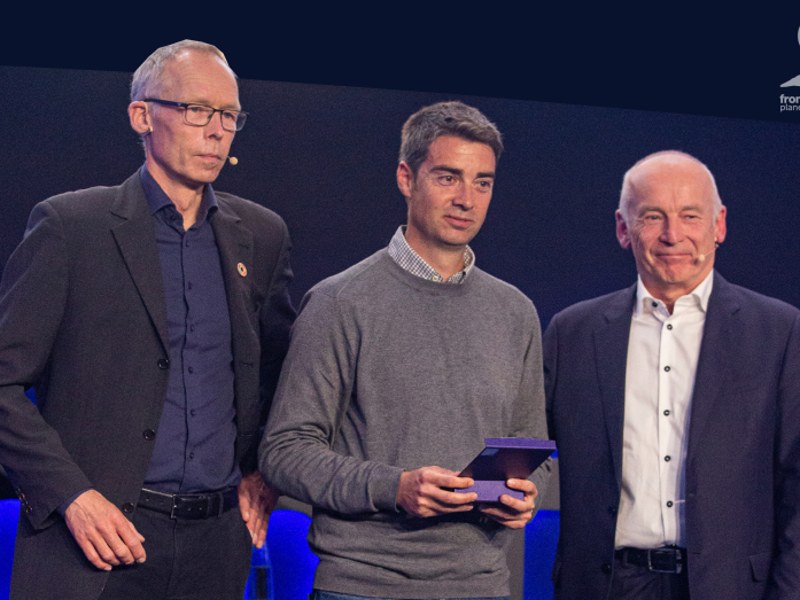
Terrestrial and Atmospheric Remote Sensing Group (LARs)
UPV researcher Luis Guanter, head of the LARS (Land and Atmosphere Remote Sensing) research group, has won the 2023 International Champions of the Frontiers Planet Prize. His research focuses on developing methods for the spatial monitoring of bio- and geophysical variables in the biosphere to reduce methane emissions worldwide.
SDG 6. Clean Water and Sanitation
The university needs water to function properly, and it is the university’s responsibility to implement the necessary measures to ensure the rational and efficient use of water, as well as the proper management of this resource. At the same time, it plays a prominent role in education and research on water-related issues and in the development of more democratic and equitable management models.
Education, Research, UPV Chairs, University Services, and Reports
Training
Research
UPV Chairs
University Services
Reports
SDG 12. Responsible Production and Consumption
Promoting responsible consumption and sustainable food systems through the University has an impact on local food production, fosters job creation and supports the establishment of small-scale agroecological producers, enhances biodiversity, and promotes healthy, viable, and sustainable agriculture, among other benefits. Examples of this include the UPV Agroecological and Fair Trade Market and the “Cistella Responsable” program managed by the UPV Cedat Foundation.
Education, Research, UPV Chairs, UPV Services, and Reports
Training
Research
UPV Chairs
UPV Services
Reports
SDG 13. Climate Action
The university has a responsibility to minimize pollution resulting from activities on its three campuses, and it must also play a decisive role in developing innovative technological solutions through the transfer of its research.
Education, Research, UPV Chairs, Services, and Reports
Training
Research
UPV Chairs
Services
Reports
SDG 14. Life Below Water
The ocean plays a vital role in making Earth habitable. It provides resources such as rain, drinking water, climate, coastlines, and much of our food. It also regulates the supply of oxygen in the air. Universities must develop and disseminate knowledge that contributes to the sustainable use of marine resources.
Education, Research, UPV Chairs, Services, and Reports
Training
Research
UPV Chairs
Services
Reports
SDG 15. Life on Land
Terrestrial ecosystems, along with aquatic ecosystems (SDG 14), are a source of food (SDG 2), health, and well-being (SDG 3), and provide jobs for millions of people, particularly in rural areas (SDG 8). They are highly vulnerable to pollution and climate change (SDG 13), and their health—and therefore ours—depends directly on a more sustainable model of production and consumption (SDG 12). The university must work toward the sustainable environmental management of its green spaces, protecting their biodiversity and improving their ecological conditions. Likewise, it will contribute to the overall preservation of terrestrial ecosystems by training thousands of students in environmental disciplines, conducting research, and sharing knowledge about this SDG.