


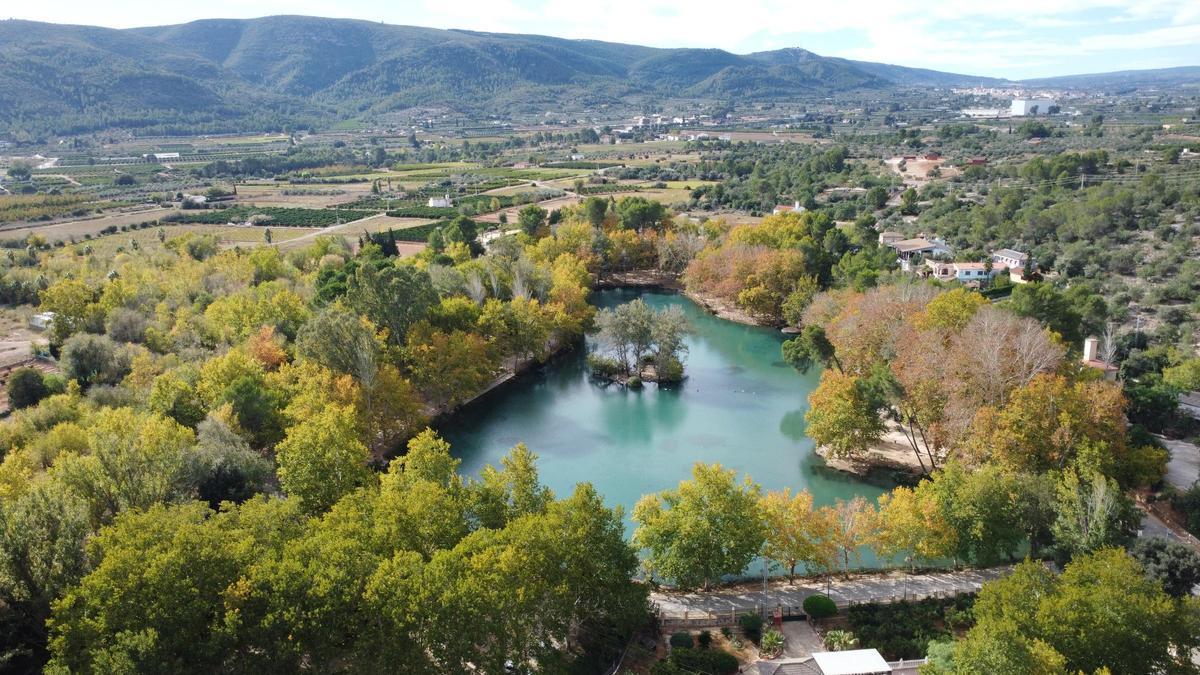
Event to Present the Results of the Matriz READI Project: A Tool for Identifying Opportunities and Designing Development Strategies.
How can we identify a region’s capabilities and opportunities? What role do its various stakeholders play in development processes? How can existing dynamics help drive new strategies?
These are some of the issues that will be addressed during the presentation of the results of the READI Matrix Project (Resources + Actors + Dynamics), which will take place on September 24 at the Gandia campus of the Universitat Politècnica de València (UPV).
The event will provide an opportunity to learn about the READI® methodology, discover @plicaREADI, and share experiences on how to turn a region’s resources and capabilities into drivers of development.
Three Keys to Understanding and Transforming a Region
The Matriz READI project, funded by the State Research Agency and involving research staff from the Polytechnic University of Valencia (UPV), proposes a new way of analyzing the potential of regions and their capacity to address the economic, social, and environmental challenges of the future.
The READI methodology is based on a simple idea: to promote effective development strategies, it is necessary to understand not only what resources a region has, but also who can mobilize them and what relationships exist among them.
A combined analysis of these three elements—resources, actors, and dynamics—provides a more comprehensive view of the local reality and makes it possible to identify strengths, weaknesses, and opportunities. In this way, it facilitates the design of more effective, sustainable, and participatory development strategies.
A day for sharing knowledge and experiences
During the presentation event for the Matriz READI Project, Bernat Roig and Asenet Sosa, professors from the Gandia campus, will share the main conclusions of the work carried out in the province of Valencia—specifically, the assessment conducted in Canal de Navarrés—as well as the possibilities offered by the tool designed to facilitate territorial self-assessment.
“One of the main conclusions of the assessment is that the region has natural, cultural, productive, and human resources capable of supporting new development initiatives,” Roig said. “La Canal de Navarrés is not starting from scratch.” However, “the main challenge in this area is to better connect these capabilities through stable cooperation among municipalities, government agencies, businesses, and associations, which will make it possible to transform existing resources into sustainable development projects.”
The Presentation of the Matriz READI Project will take place on September 24, from 12:00 to 14:00, in the Triangular Room at the UPV’s Gandia campus.
Attendance is free and open to the university community, local development professionals, institutional representatives, associations, and anyone interested in learning about new tools for understanding and strengthening communities.