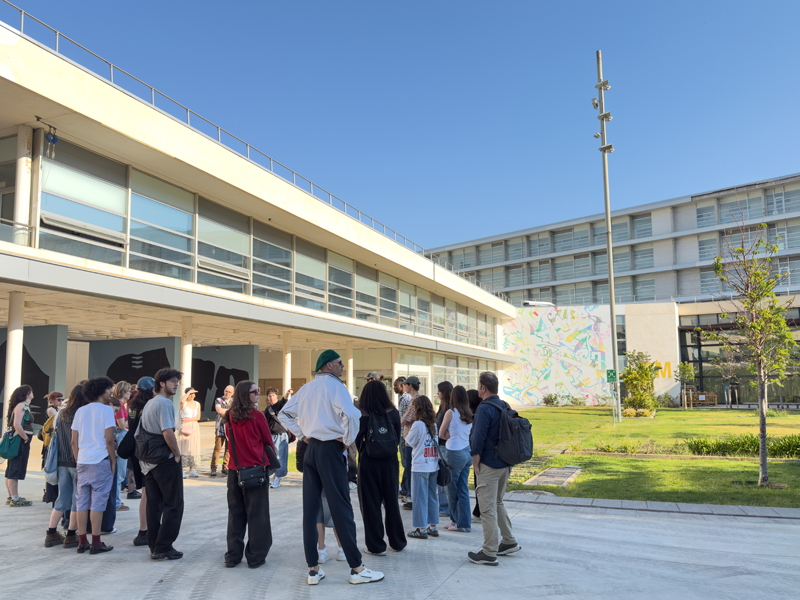


The Universitat Politècnica de València (UPV) hosted the Blended Intensive Programme (BIP) week from April 20 to 24, 2026.Ways of Seeing, Modes of Lookingan Erasmus+ initiative that combines previous online work with an intensive face-to-face phase, oriented to collective creation and reflection in an international context.
The program, coordinated by professors Pedro Vicente and Carmelo Gabaldón of the Department of Drawing together with professors from the National School Supérieure Louis-Lumière in Paris and the Haute Ecole Libre de Bruxelles Photographie in Brussels, has brought together students and faculty from different European countries and universities, who have worked collaboratively around photography as a critical tool, understood not only as a technical practice, but as a conscious, situated and ethical way of looking at the contemporary world.
A hybrid model of international learning
The BIP was structured in two complementary phases. On the one hand, a previous online phase, developed between February and March, which included virtual sessions, readings, visual references and the organization of international work teams. This phase made it possible to establish a common theoretical and methodological framework and to prepare the development of the projects.
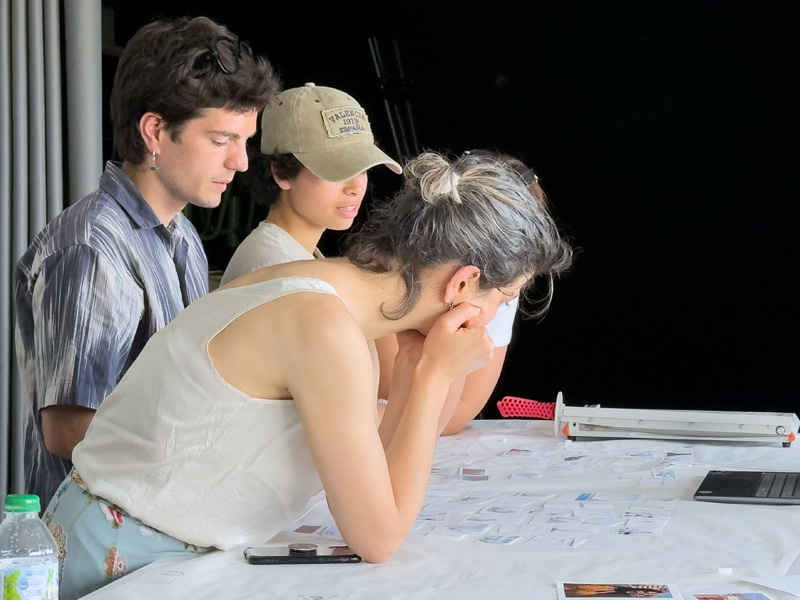
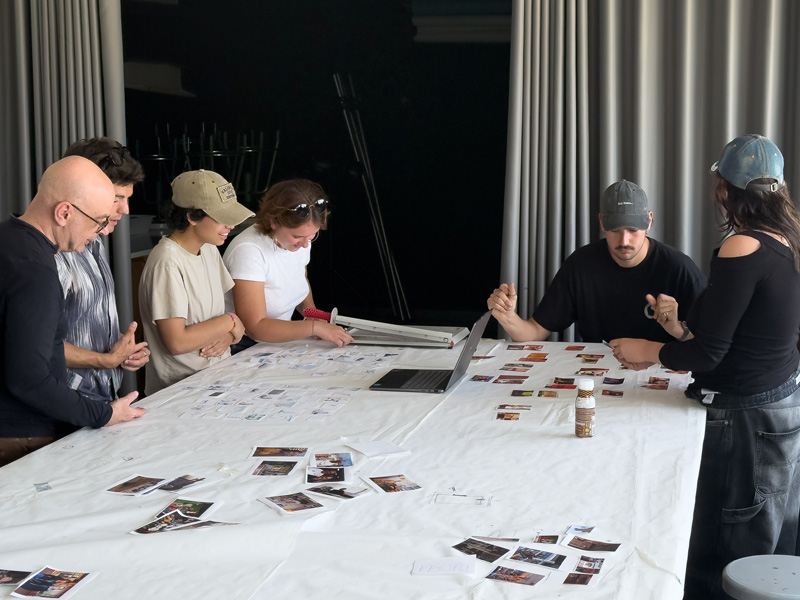
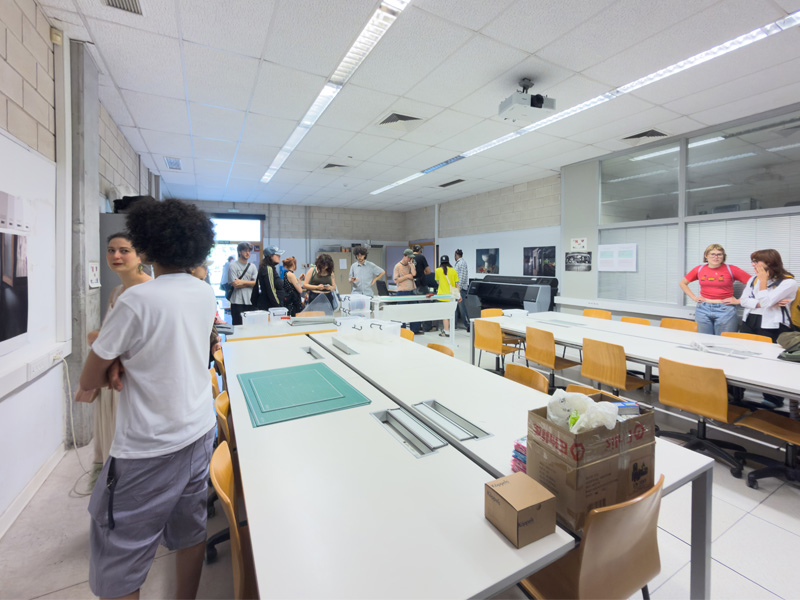
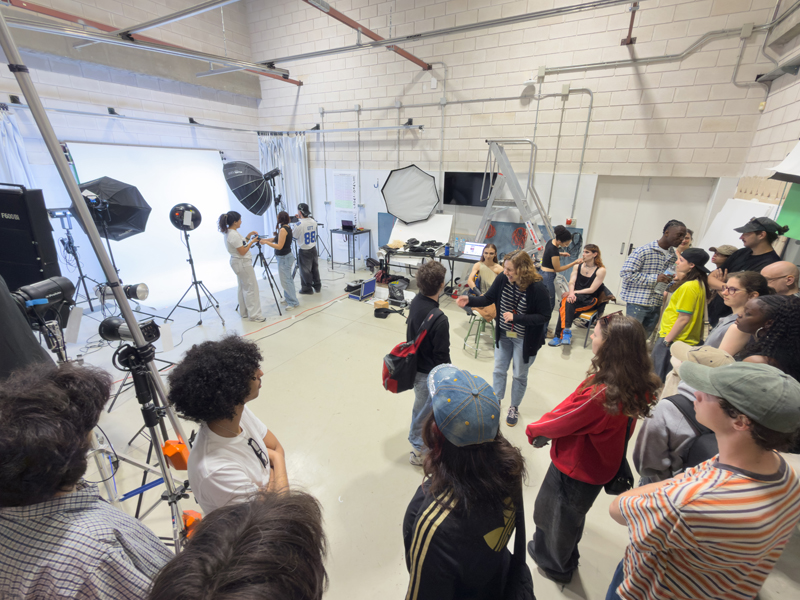
On the other hand, the intensive face-to-face phase, inaugurated with a master class by photographer Ricardo Cases, held at the UPV. This phase focused on full-time work in groups, tutorials, workshops, collective reviews, cultural activities and the final presentation of the projects.
This intensive format favors an immersive academic experience, aligned with the objectives of the Erasmus+ program, and reinforces key competencies such as critical thinking, teamwork, intercultural communication and creativity.
Benidorm as a critical laboratory
The conceptual axis of the program has been the proposalWays of Seeing, Modes of Lookingwhich invites us to question the idea of a neutral gaze and to explore the multiple ways in which images are constructed. Within this framework, Benidorm has functioned not as a subject to be represented, but as a laboratory of analysis and visual production.
Understood as an extreme prototype of a contemporary city, Benidorm has allowed us to reflect on issues such as mass tourism, the artificiality of the landscape, the repetition of images, the construction of desire and the tension between utopia and dystopia. The city has thus become a methodological tool for thinking about photography from a critical distance, attentive observation and formal experimentation.
Thinking, producing and sharing knowledge
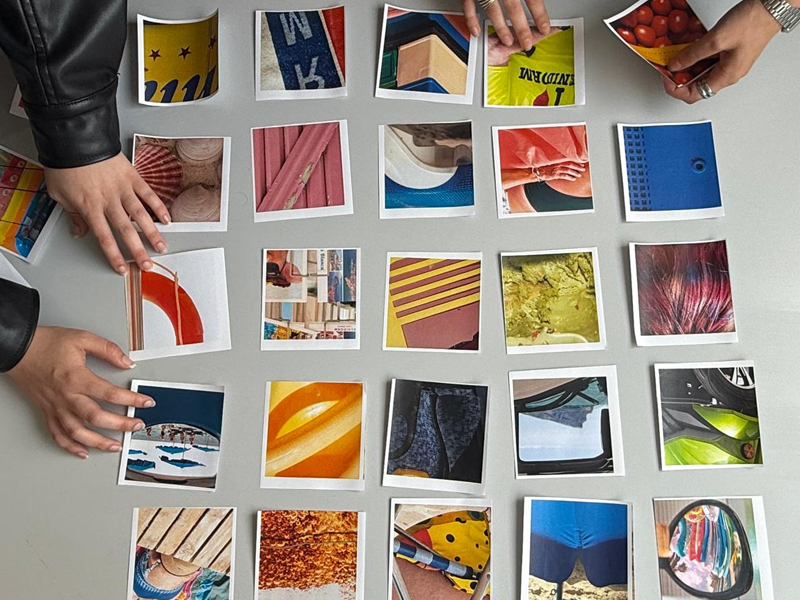
Throughout the week, the students have developed photographic projects that do not seek to illustrate preconceived ideas, but rather to ask questions, reveal contradictions and generate new forms of visual understanding. The program has emphasized photography as an active, reflective and collective process, based on attention, time and the responsibility of the gaze.
The BIPWays of Seeing, Modes of Looking reinforces the UPV’s commitment to quality international training, which connects teaching, artistic practice and research, and which places students in real contexts of academic and cultural collaboration on a European scale.