

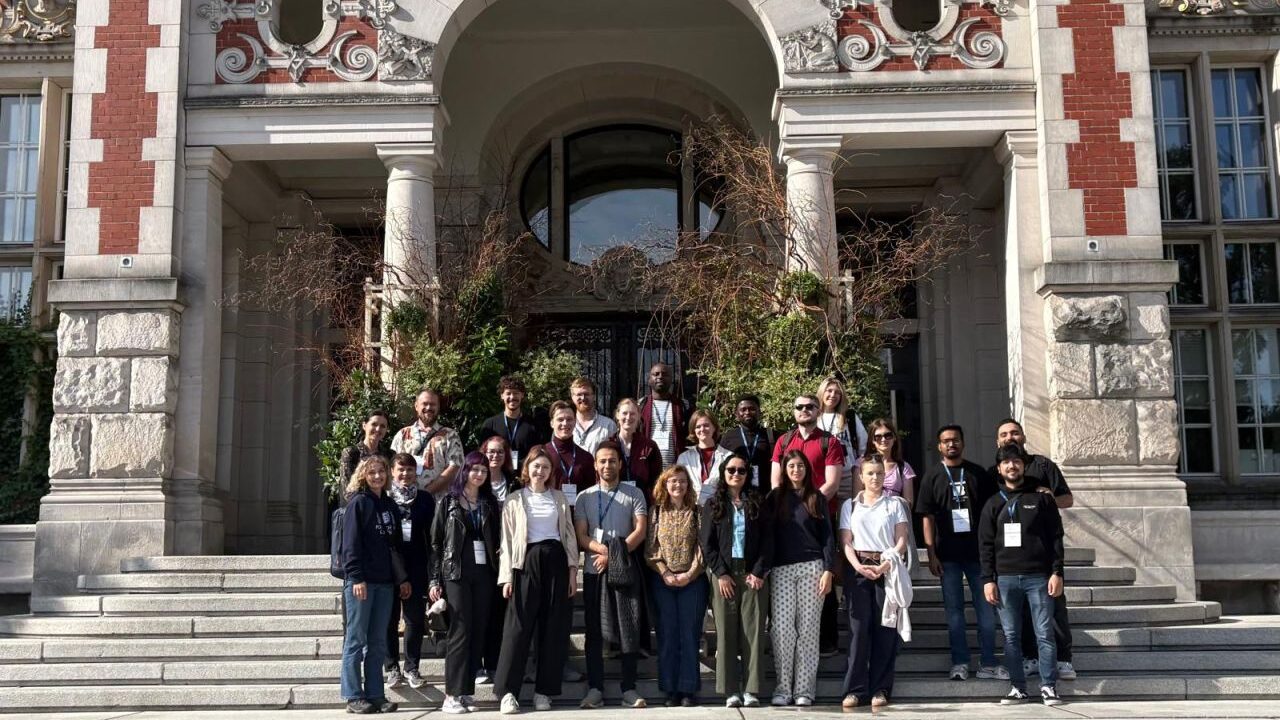
What happens to traces of medications when they enter wastewater? Even though we can’t see them, some pollutants can end up in rivers, lakes, and coastal areas, with consequences for ecosystems and health. To learn how to identify these risks and understand how to prevent them, students from the ENHANCE Alliance They met in Gdańsk on the occasion of this Summer School.
An environmental problem that calls for new solutions
The medications we use can leave residues that enter the aquatic environment through wastewater. Analyzing their presence, understanding how they move through the environment, and assessing their potential effects is essential for improving water management. This challenge is particularly relevant in light of the revision of European regulations on urban wastewater treatment, which establish new requirements to reduce emissions of micropollutants.
During the Summer School, participants addressed issues such as water quality, sources and transport of pollutants, their persistence in the aquatic environment, and antimicrobial resistance. All of this was approached from the perspective of One Health, which links human, animal, and environmental health.
From Water Samples to Risk Maps
The hands-on component was one of the central elements of the experience. Following two preparatory online sessions held on July 6 and 7, the students met in person in Gdańsk from July 21 to 24.
Over the course of about 35 hours of activities, they combined expert presentations with computer exercises, laboratory analyses, and case studies. They worked with water and wastewater samples, performed physicochemical analyses, and became familiar with methods for detecting the presence of micropollutants and assessing issues related to antimicrobial resistance.
They also used QGIS, a geographic information tool that allows users to analyze data and display it on maps. Specifically, they learned about the APRIORA add-on, developed to estimate emissions of pharmaceutical pollutants from treatment plants and model their concentrations in receiving water bodies.
From the classroom to a real-world treatment plant
The training truly came to life during a technical visit to the Dębogórze Group’s wastewater treatment plant. There, participants were able to get an up-close look at the facilities and understand how digital models and risk assessment relate to the operation of water management infrastructure. This visit demonstrated how the knowledge gained can contribute to investment planning, the prioritization of environmental measures, and collaboration between agencies responsible for water protection and facility operators.
At the end of the program, the students received their ENHANCE certificates, which recognize their participation in this international educational experience.
Original text from Gdańsk University of Technology, adapted for the ENHANCE UPV microsite