


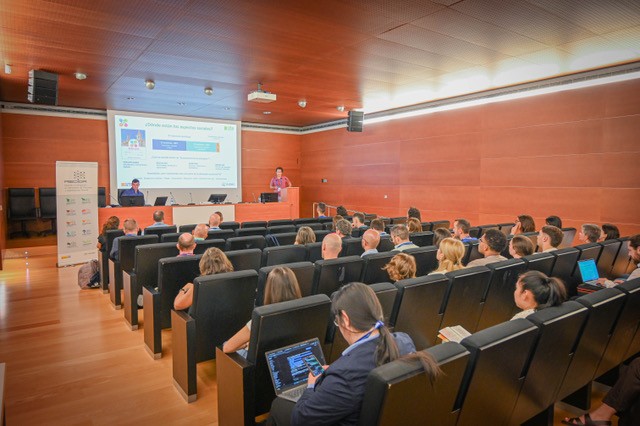
The Master’s Degree in Precision Livestock Farming (MUGP) would like to express its gratitude for the support received through the call for proposals DINT2026 of the UPV SIRVE Strategic Plan, whose funding has made it possible to strengthen, during the first few months of the academic year, an educational program designed to connect students with companies, technology centers, leading researchers, and real-world challenges in the livestock sector.
Thanks to this initiative, the master’s program has developed a series of complementary activities that have significantly enriched the students’ educational experience, exposing them to the technologies, methodologies, and challenges that are transforming animal production.
Main Activities Carried Out
National Precision Livestock Farming Event
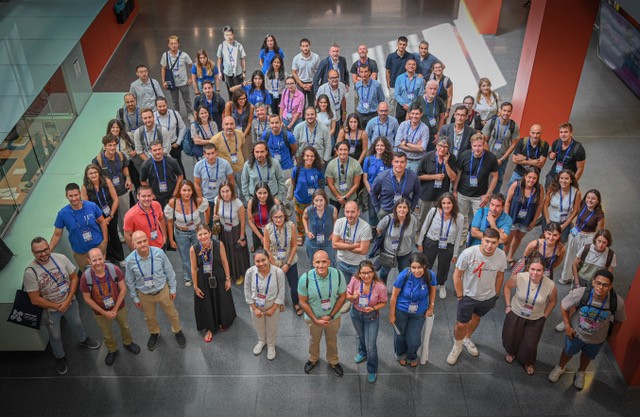
The academic year began with the celebration of the National Precision Livestock Farming Event, a conference that brought together specialists, researchers, companies, and students to discuss the latest advances in digitization, monitoring, and sustainability in animal production. The event served as a meeting place for the key players in the national precision livestock farming ecosystem.
Pol Llonch’s Seminar on Animal Welfare and PLF Technologies
The researcher Pol Llonch (Autonomous University of Barcelona) gave a seminar on the assessment of animal welfare using precision livestock farming tools. The session addressed the use of animal-based indicators, sensors, and monitoring technologies to obtain objective measures of welfare and improve decision-making on livestock farms.
Isabel Belo’s Seminar on the Valorization of Byproducts
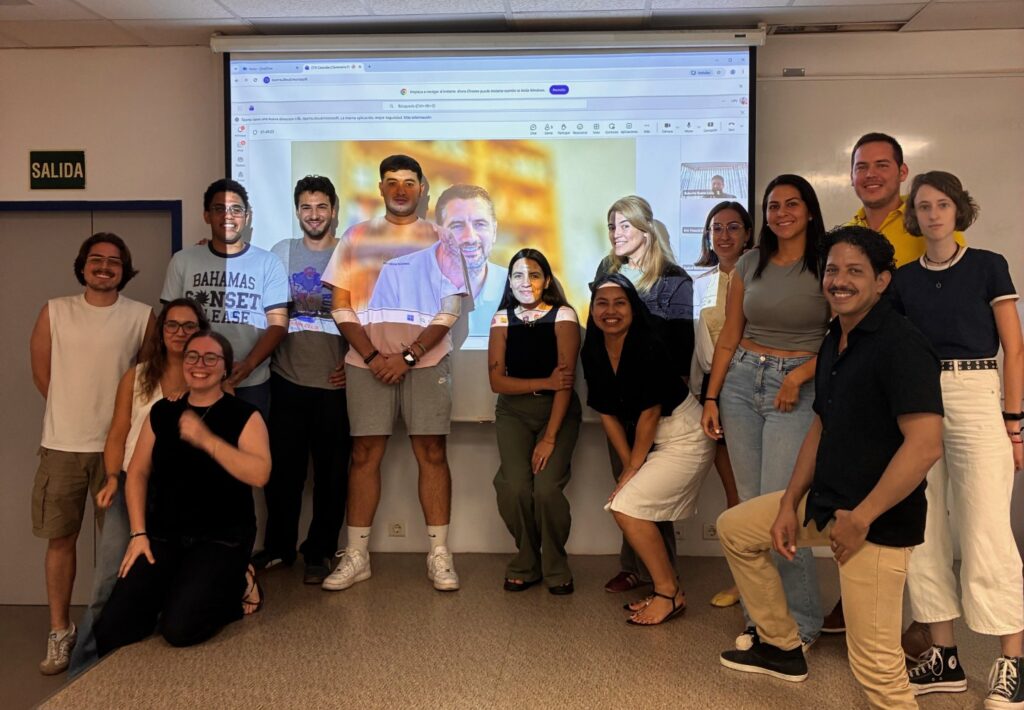
The researcher Isabel Belo presented the latest advances in the use of fermentation processes to transform agri-food byproducts into high-value ingredients for animal feed. The seminar highlighted the potential of the circular bioeconomy to increase the sustainability and efficiency of livestock systems.
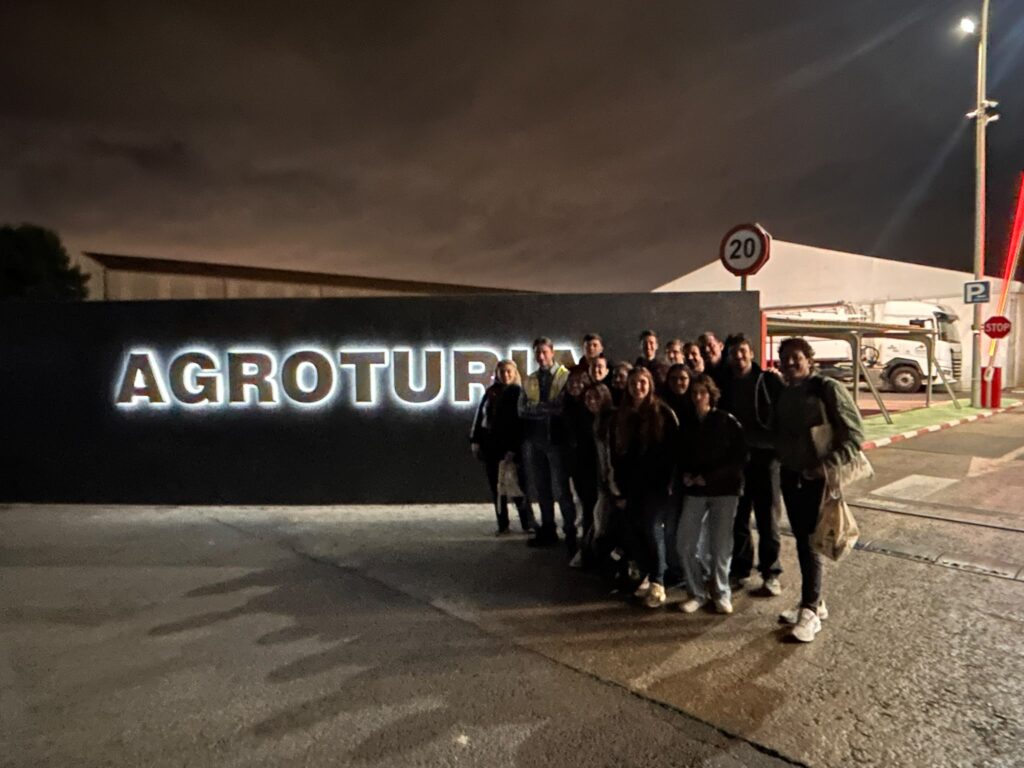
Technical Visit to Agrocesa – Agroturia
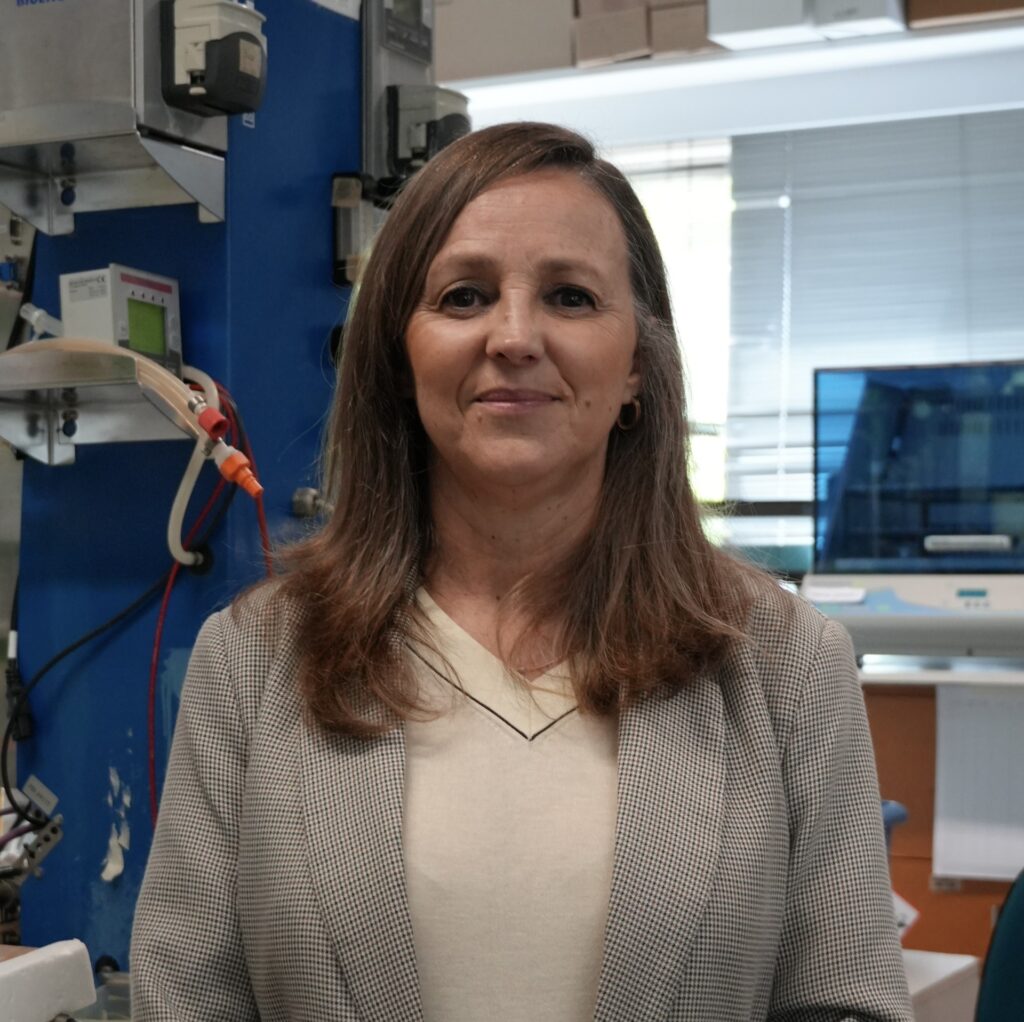
The students visited the facilities at Agroturia (Agrocesa Group), where they were able to gain firsthand insight into the feed manufacturing processes and precision nutrition strategies implemented by one of the industry’s leading companies. The activity helped them understand the importance of animal nutrition as a key tool for improving production efficiency and sustainability.
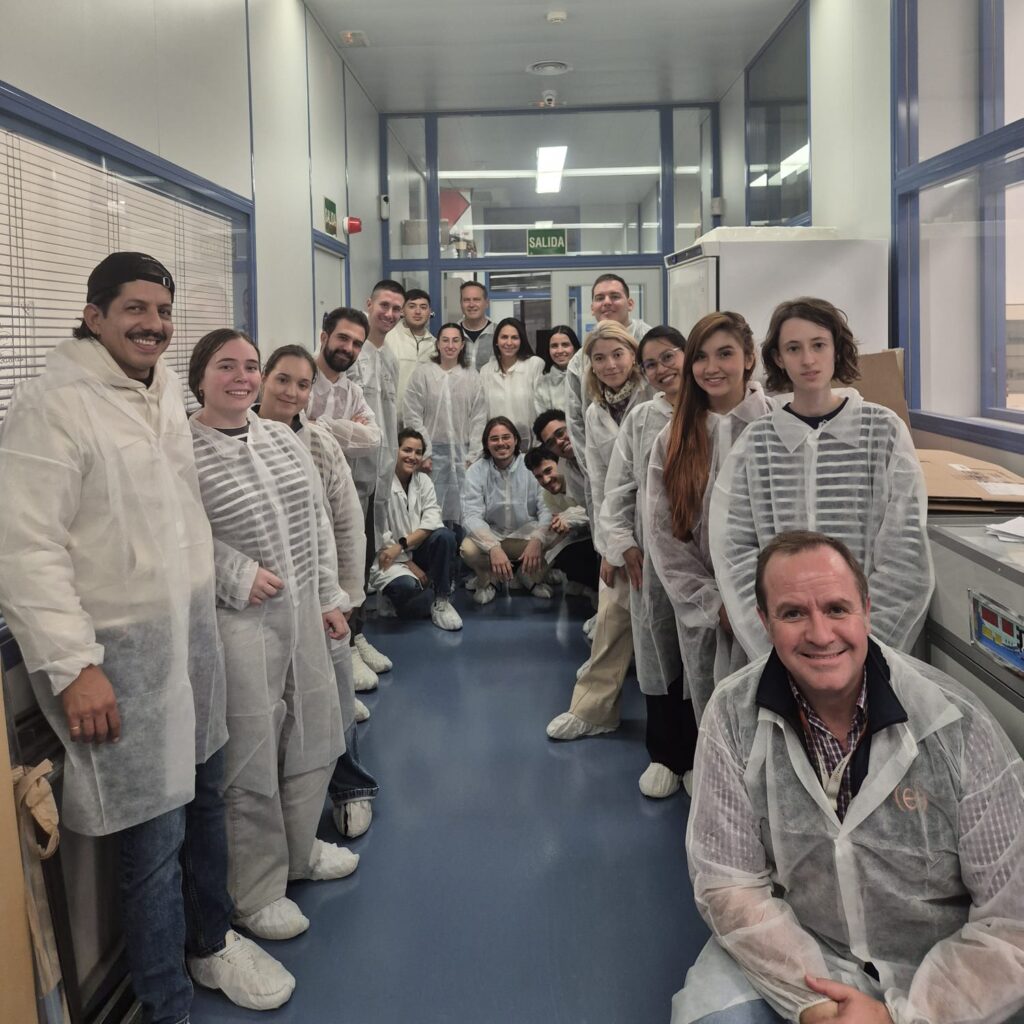
Seminars and a technical visit to CECAV
The training program developed in collaboration with the CECAV (Center for Poultry Quality and Animal Feed of the Valencian Community) combined an academic session at the UPV with a tour of its facilities in Alquerías del Niño Perdido (Castellón). The students learned about innovative applications in animal health and participated in a hands-on activity involving the isolation and characterization of bacteriophages, an emerging technology with great potential for controlling bacterial diseases and reducing the use of antimicrobials.
PLF Hackathon: Solving Real-World Business Challenges
One of the most significant milestones at the start of the school year was the organization of the PLF Hackathon, a project-based learning activity in which students worked on real-world challenges posed by leading companies in the sector. Participants included Rotecna, Serprovit, ADM, Genética Batallé, Granja Rinya, and Dipole RFID, addressing issues related to the digitization, monitoring, and smart management of animal production.
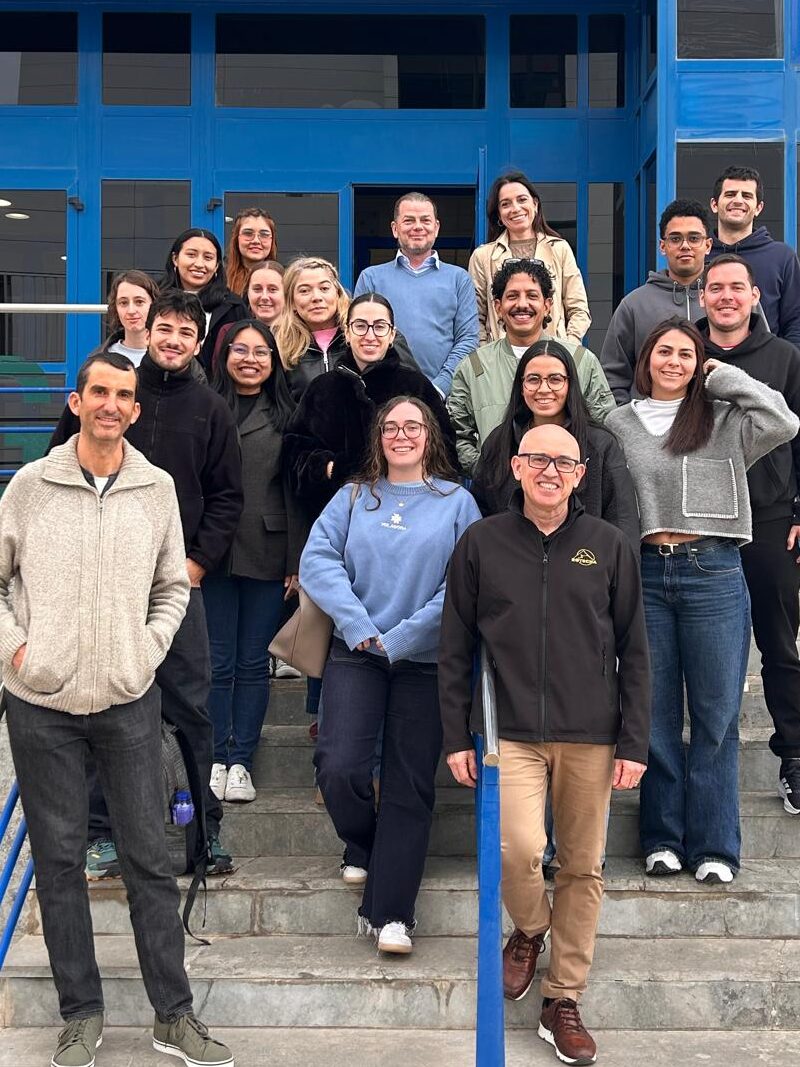
Institutional Acknowledgment
On behalf of the Master’s Program in Precision Livestock Farming, we would like to express our gratitude to the Polytechnic University of Valencia, to the show UPV SIRVE and the call for applications DINT2026 for making it possible to carry out these activities, which offer significant educational value. We would also like to thank all the companies, researchers, and partner organizations that have helped bring the professional, technological, and scientific realities of the sector closer to our students.
These initiatives reinforce one of the Master’s program’s fundamental objectives: to provide training that addresses the real challenges of animal production and to prepare professionals capable of leading the digital and sustainable transformation of the livestock industry.