


A study demonstrates the durability of materials made from recycled and natural fibers for improving acoustic comfort in buildings.
Acoustic materials made from recycled and natural fibers can retain much of their performance even after more than 16 years of aging. This is the conclusion of a study led by researchers at the Gandia campus of the Universitat Politècnica de València (UPV), whose findings reinforce the potential of these materials as an alternative for more sustainable construction.
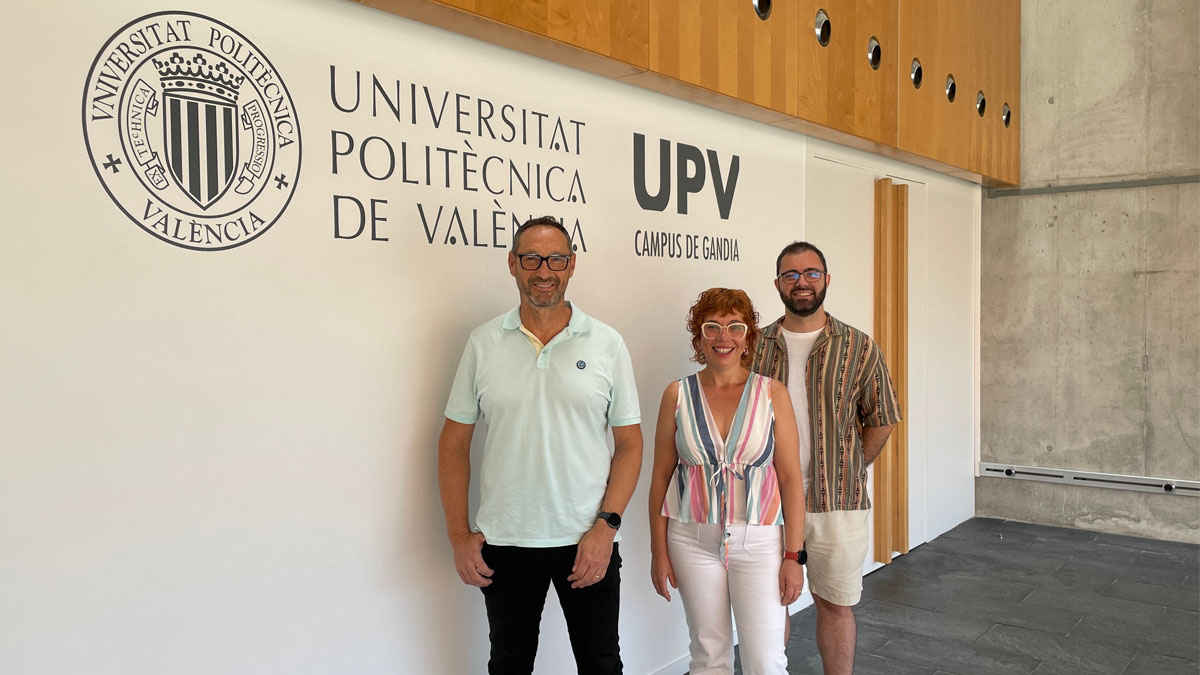
The study, published in Case Studies in Construction Materials, was developed by Jesús Alba, Romina del Rey, and Jordi García-Peris and analyzes the long-term performance of 32 acoustic materials made from recycled polyester, textile waste, cotton, wool, hemp, jute, kenaf, and coconut fiber, among others.
These materials are used to reduce reverberation and improve acoustic comfort in classrooms, offices, auditoriums, and homes, and they can also contribute to sound insulation. Although previous studies had already shown that they can achieve performance comparable to that of conventional products, there was very little data on their performance over long periods of time.
More than 16 years of natural aging
The samples analyzed were originally manufactured and characterized in 2009 as part of a European LIFE project. Since then, they have been stored for approximately 16 and a half years under uncontrolled indoor environmental conditions, subject to fluctuations in temperature and humidity and to the accumulation of dust.
During this period, the samples were exposed to temperatures ranging from approximately 0 °C to 35 °C and relative humidity levels ranging from 45% to 85%. These conditions made it possible to study their response to prolonged aging similar to that experienced by many acoustic materials used in interior spaces.
The team reanalyzed the samples using the same procedures employed in 2009 and compared key parameters such as sound absorption and airflow resistance.
“The results show that, in general, the materials retain much of their original acoustic properties after more than a decade and a half,” notes Jesús Alba.
The study found greater stability in predominantly synthetic materials. Those made from natural fibers or hybrid combinations showed greater sensitivity to aging, although they also retained remarkable acoustic performance. Overall, the results confirm that both recycled and natural materials can maintain adequate sound absorption capacity over long periods.
The researchers supplemented the study with optical microscopy analyses to assess possible changes in the fibers’ structure, diameter, and porosity, and to better understand the physical changes associated with natural aging.
According to the UPV team, these results provide useful data for architects, engineering professionals, and manufacturers, and help reduce uncertainty regarding the durability of recycled and natural materials used for acoustic treatment in buildings.
Reference: Jesús Alba, Romina del Rey, Jordi García-Peris. Durability of Recycled and Natural Fibrous Acoustic Materials Undergoing Long-Term Indoor Aging. Case Studies in Construction Materials, 25 (2026), e06339.