


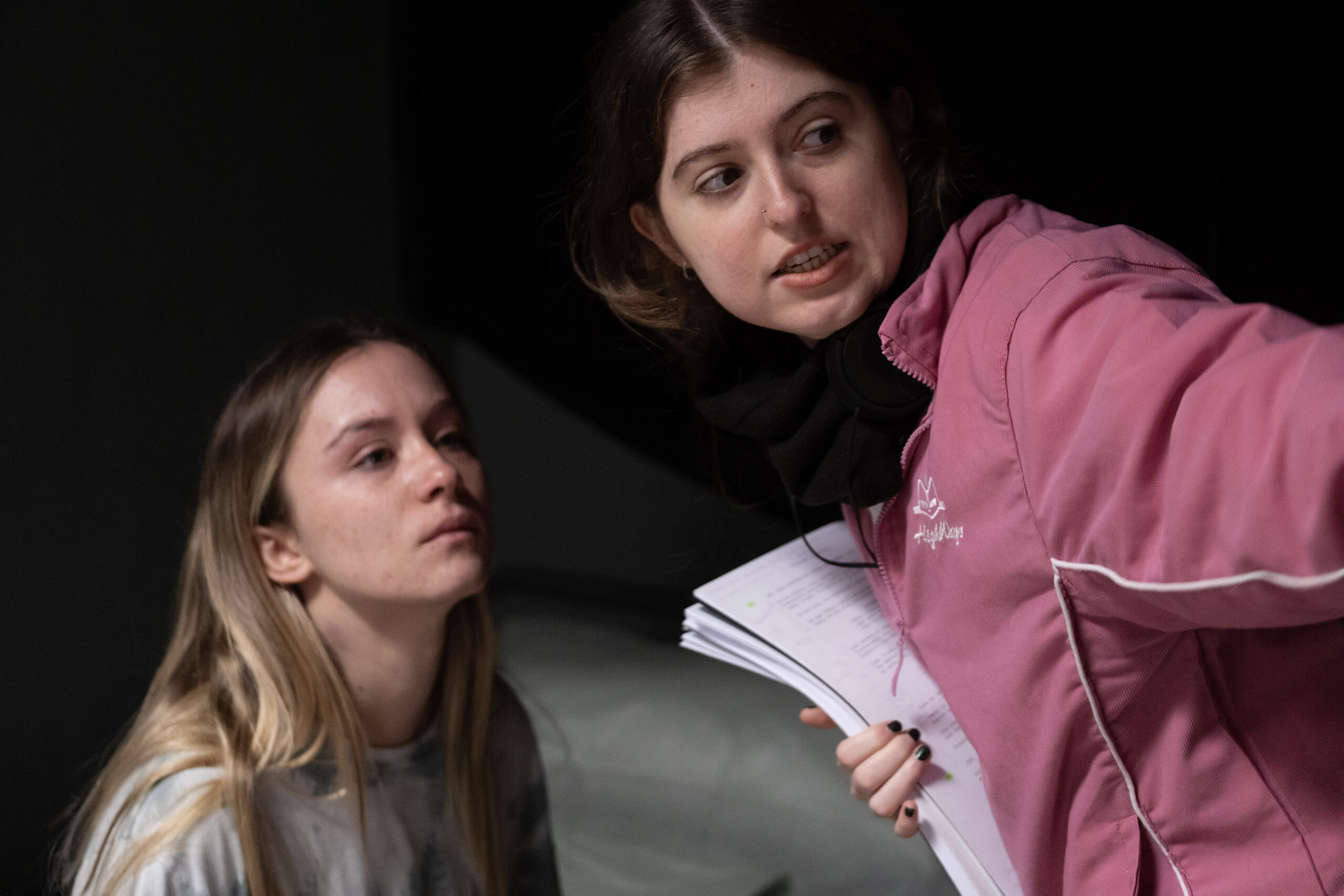
The film, directed by a graduate of the Audiovisual Communication program at the Gandia campus, premieres in the “Punto de Encuentro” section from Seminci.
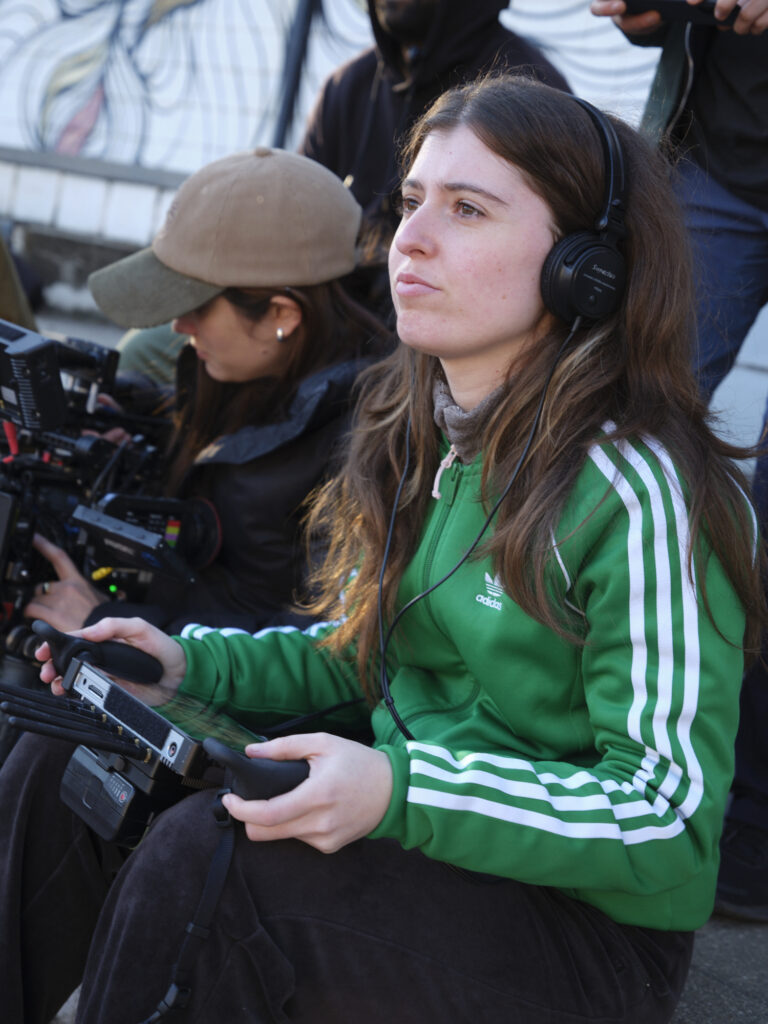
“I’d like it to resonate with young audiences and for people to see that behind the film lies extensive research, but also a very human and authentic story,” says Claudia Estrada, a graduate in Audiovisual Communication from the Gandia campus of the Universitat Politècnica de València (UPV).
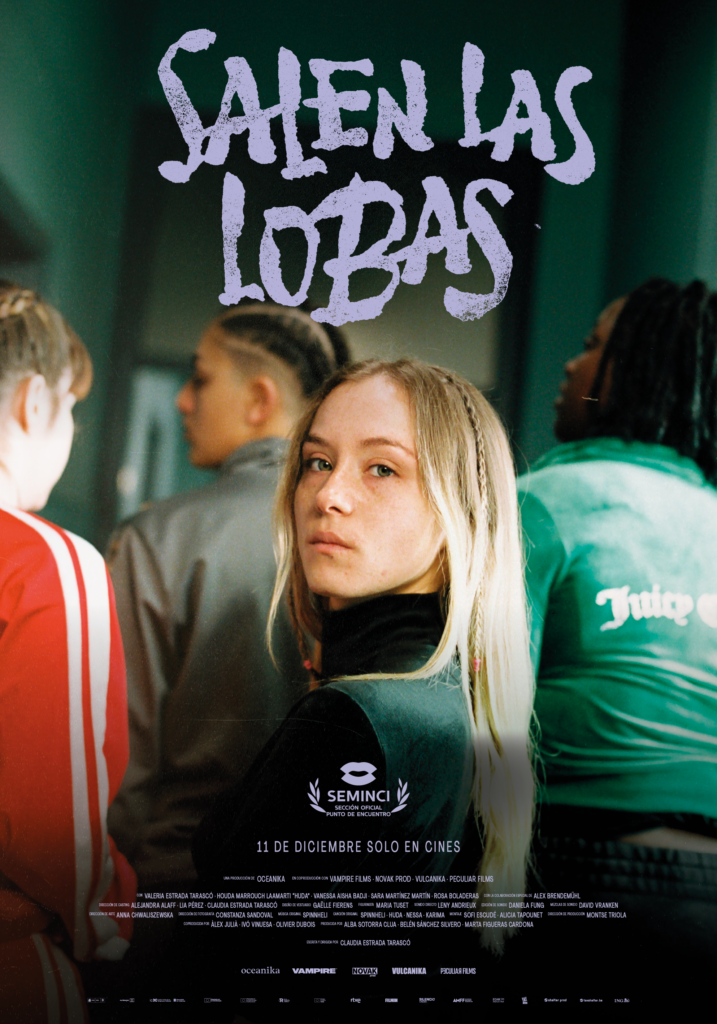
The filmmaker makes her feature film debut with Salen las lobas, which will premiere in the “Punto de Encuentro” section of the 71st edition of the Valladolid International Film Week (Seminci). “It’s a section that champions new voices, personal perspectives, and films that seek to engage in dialogue with the audience. Since this is my first film and such a personal story, I feel it’s a wonderful venue to present it,” says the director.
A personal experience brought to the big screen
Salen las lobas it stems from a family experience and delves into the reality of a juvenile justice center through Luna, a teenager who finds a form of resistance in urban music and her peers.
“It was very important to me to tell this story because, if it hadn’t happened to my sister, I probably wouldn’t have known anything about juvenile detention centers either,” says the director. “I wanted to break down the stereotypes surrounding juvenile justice and get a closer look at the reality of the girls who go through these facilities: to talk about their relationships, the solidarity that develops among them, and how difficult the legal proceedings are for them at such a young age,” she adds.
The project took shape after four years of research, during which the director worked with educators, lawyers, and young people who had been through the juvenile justice system.
A cast rooted in reality
The story took on an even more personal dimension when Valeria—the filmmaker’s sister, whose experiences inspired the screenplay—took on the lead role after leaving the facility.
The main cast was rounded out with young talents selected through auditions on social media, at concerts, and in juvenile detention centers. Among them is the artist Huda, who plays Yanira—a role the director discovered while listening to her music during the writing phase.
The team was looking for actresses who embodied a combination of rebelliousness and innocence and who had some connection—direct or indirect—to the reality depicted in the film.
Influenced by her background in documentary filmmaking, Claudia Estrada also opted for realism in her choice of locations. Filming took place in a former psychiatric hospital that had been closed since 2015, with a layout identical to that of a juvenile detention center.
Produced by Oceanika (formerly Alba Sotorra), in collaboration with Novak and Vampire Studios, filming for the movie wrapped up in late January 2025.

From Seminci to Movie Theaters
The transition from self-produced documentary shorts to feature-length fiction films has meant for the director of Salen las lobas a continuous learning process, especially when it comes to managing a large team and working with first-time actresses.
For Claudia Estrada, participating in the 71st edition of Seminci is an opportunity to raise awareness of the film and bring it to a wider audience. Following its screening at the festival, which will take place from October 23 to 31, Salen las lobas it will hit theaters across Spain on December 11 presented by Silencio Cinema.
At the same time, Estrada is already working on two new feature-length fiction films, one of which is receiving scriptwriting support from the Institut Valencià de Cultura (IVC).
Memories of his time on the Gandia campus
Her passion for storytelling and her interest in film grew during her time as a student at the UPV’s Gandia campus. From her years studying for her bachelor’s degree in Audiovisual Communication, Claudia still cherishes “the excitement of her first projects, the film club nights, and her discovery of cinema.”
A formative experience that he sums up as advice for those who have just started their degree program: “I would tell them to figure out what they need to express to the world and to fall so deeply in love with their stories that they keep their enthusiasm alive throughout the many years it takes to make a film.”