


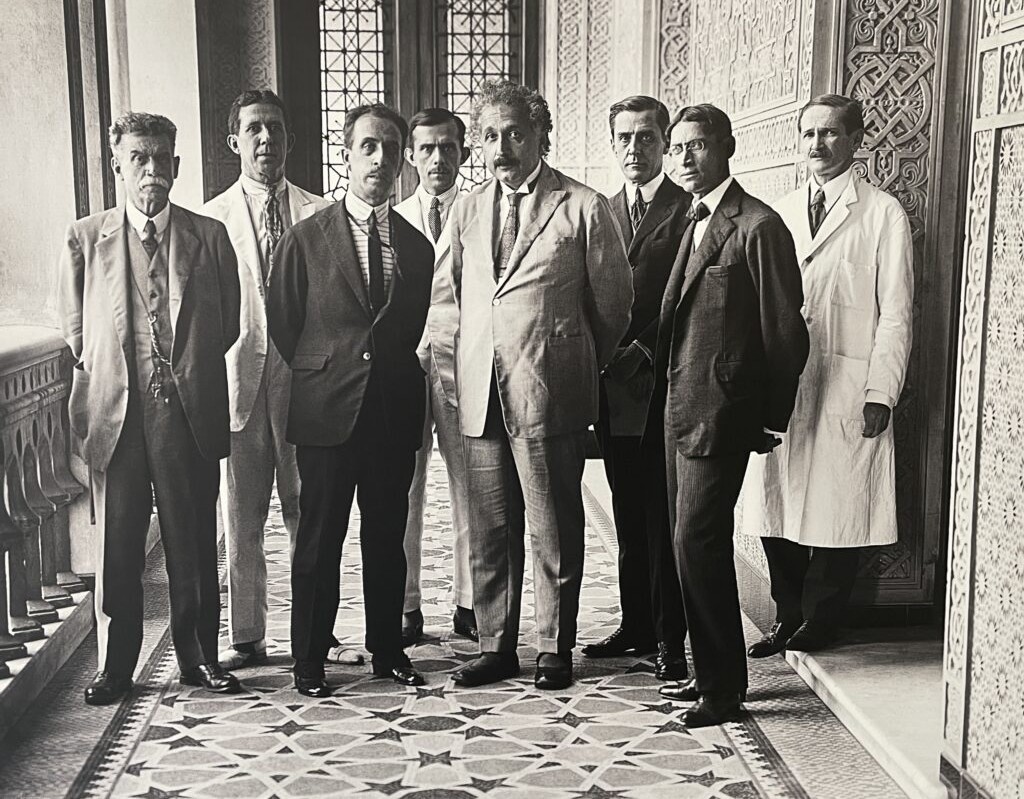
A journey back in time to the place that transformed Rio de Janeiro’s scientific and urban history.
The Gandia Campus of the Universitat Politècnica de València hosts “Manguinhos Revealed. Images of a scientific memory”. The exhibition invites the viewer to take a visual journey through the documentary collection of the archive guarded by the Casa de Oswaldo Cruz, a technical-scientific unit of the Oswaldo Cruz Foundation (Fiocruz) based in the Manguinhos neighborhood to the north of Rio de Janeiro. Dedicated to the preservation of the historical and cultural heritage of the institution, this unit develops research, teaching, documentation, and dissemination activities of the history of public health and biomedical sciences in Brazil.
“This exhibition is the result of an agreement signed between the Universitat Politècnica de València and the Oswaldo Cruz Foundation”, Vice Rector for Art, Science, Technology and Society, Salomé Cuesta, said, “the aim of the project is to publicize the documentary collection of the foundation, which since its inception has been responsible for preserving the work carried out for future generations. A novel concept of research center from which we universities have much to learn”.
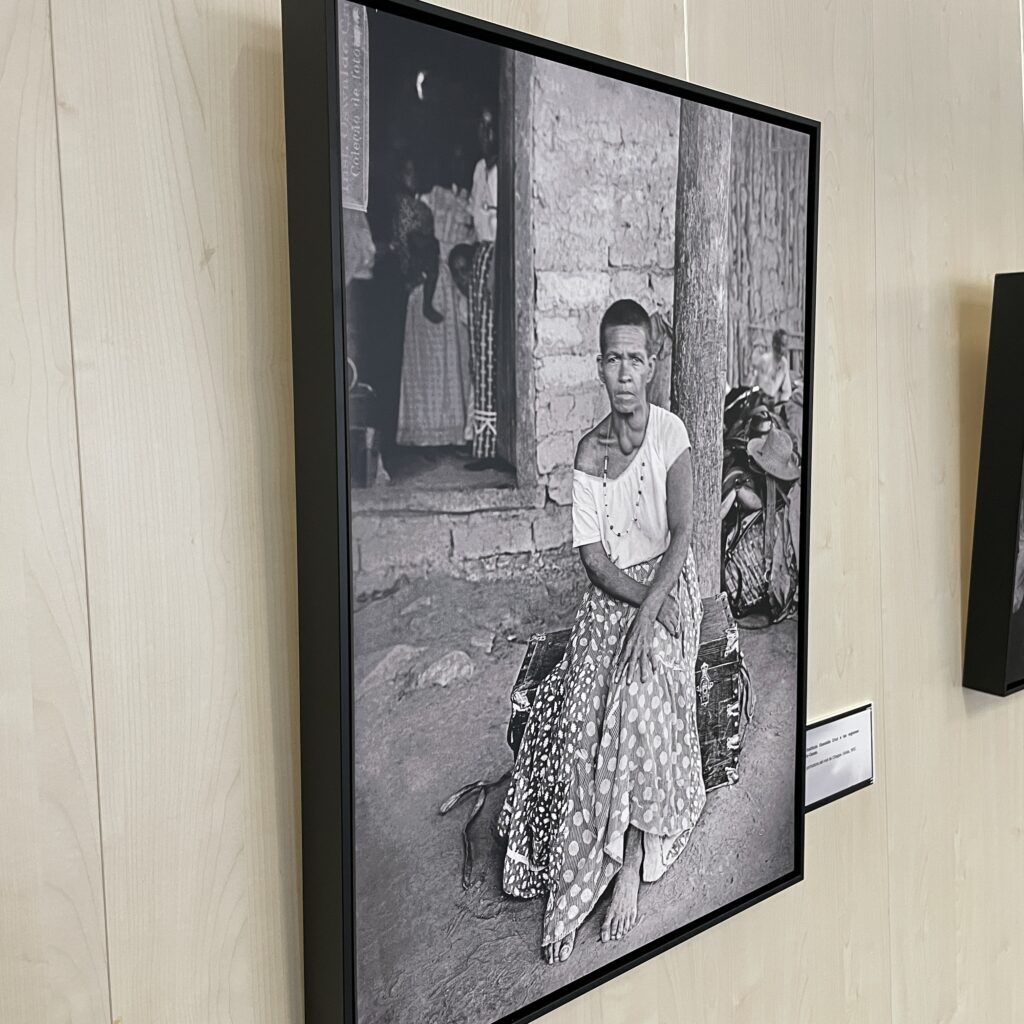
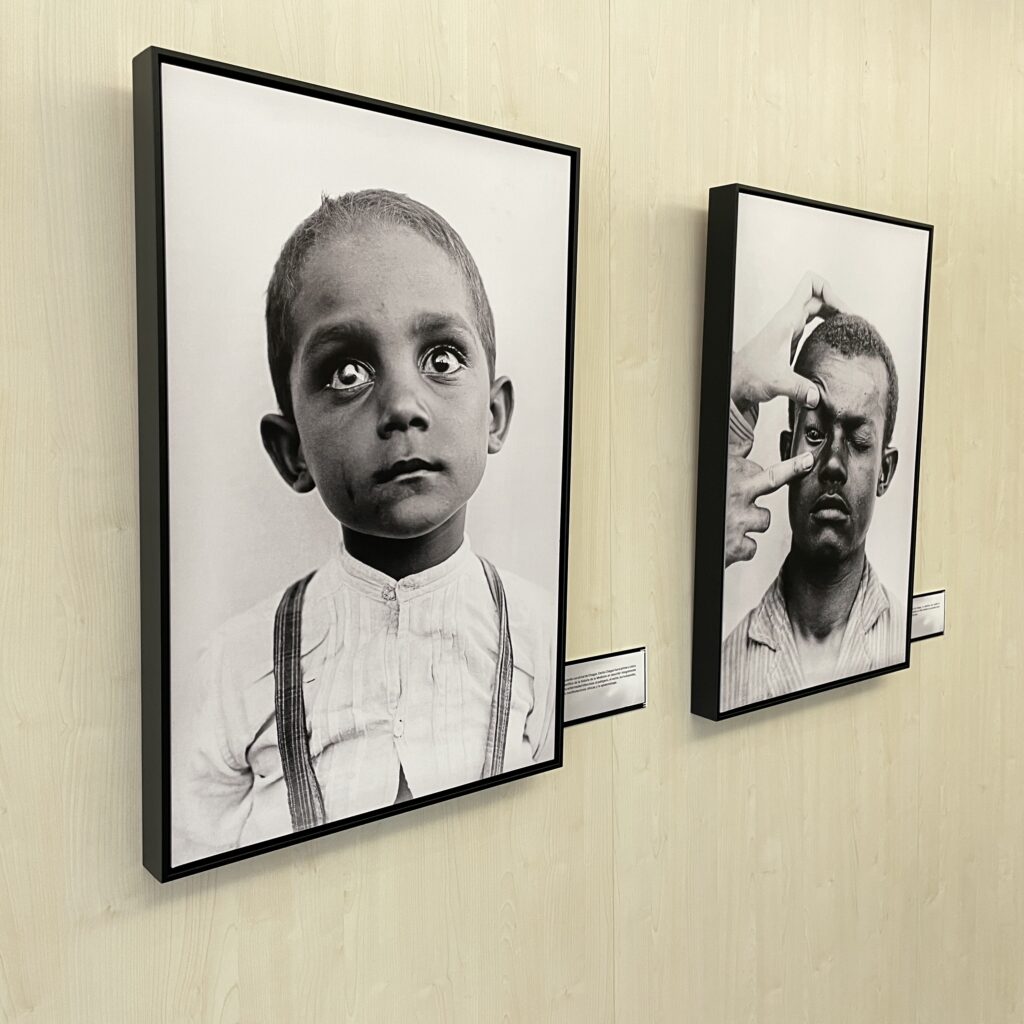
The exhibition brings together photographs extracted from glass negatives documenting the origins of the Foundation between 1903 and 1946. The images show the day-to-day production of serums and vaccines, as well as research and teaching activities developed at Fiocruz. To these everyday scenes records are added that illustrate the transformation of the Manguinhos neighborhood and its surroundings, together with photographs of the expeditions carried out by scientists of the institution.
“The images shown here are a small selection of the Foundation’s documentary heritage. They are photographs that portray the activity in the center’s laboratories, the inclusion of women in science or the expeditions carried out by its scientists”, explained the curator of the exhibition, Antoni Colomina.
This collection constitutes a unique repository of the visual memory of public health in Brazil both for its historical and documentary relevance. In addition, it is a reference in the photographic technique applied to science and medicine. In fact, its value was recognized in 2012 by UNESCO’s Memory of the World Program, which incorporated it into the Documentary Heritage of Humanity.
For the director of the Gandia Campus, Vicenç Almenar, “the concept of uniting science, social inclusion, heritage and memory in an exhibition is very relevant. It also highlights the important role played by a pioneering center that has been responsible since its inception for preserving and transmitting its work to future generations and for making it known outside its country, so that it can be known worldwide”.
About the Oswaldo Cruz Foundation
The origins of the Oswaldo Cruz Foundation date back to the Instituto Soroterápico Federal, created in 1900 in the neighborhood of Manguinhos to produce serums and vaccines against the bubonic plague, which affected the country at the time. In 1908, under the name of Instituto Oswaldo Cruz, in homage to its first director, the institution became one of the most important centers of experimental medicine in Latin America. It was also the first scientific institution to give Brazil international recognition, laying the foundations for the development of biomedical sciences in the country during the first half of the 20th century.
Currently, Fiocruz is present in ten Brazilian states and has a representation in Maputo (Mozambique), developing teaching, research, innovation, healthcare, technological development, and extension activities in the field of health.
“Manguinhos Revealed” at the Gandia Campus
The exhibition “Manguinhos Revealed. Images of a scientific memory” highlights the fundamental role played by Fiocruz in the modernization of Rio de Janeiro, both from a scientific and urbanistic point of view. The photographs show the process of urbanization of Manguinhos and offer the visitor a historical view that intertwines science, city and memory.
The exhibition “Manguinhos Revealed. Images of a scientific memory” will remain open to the public until January 30, 2026, in the Multipurpose Room of Building H, CRAI, Gandia Campus of the UPV.