

Sustainable Approaches Employed in Settlements Designed by Hassan Fathy: Lessons from New Gourna and New Baris in Egypt
+Autoría: Ignacio Juan Ferruses, Clara Cantó Gago, Sergio Artola Dols+Líneas de investigación: Proyecto y técnica, Arquitectura y sostenibilidad, Maestros de la arquitectura+Revista: ISVS e-journal+Fecha: 2024 Abril
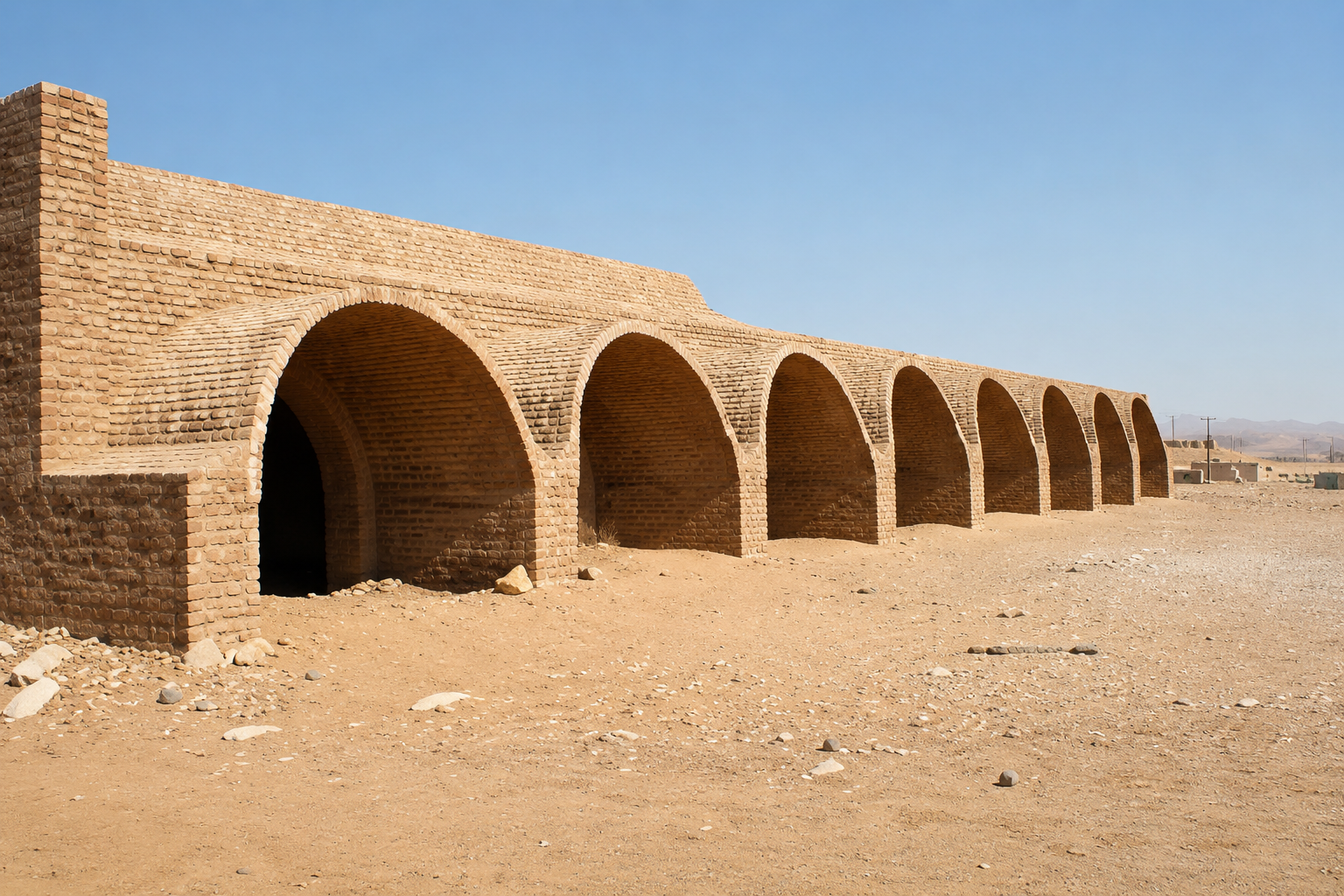
Around 1940s, 75% of the population of Egypt had been living in the rural vernacular settlements. After independence and with the establishment of a parliamentary monarchy, the focus of Egypt has been the reform of these rural settlements. It became an opportunity to explore new ways of creating settlements from a conscious architecture. In this endeavour, the Egyptian architect Hassan Fathy rose as a humble yet visionary giant who was instrumental in making these transformations. This paper examines two settlements designed by Hassan Fathy in Egypt: New Gourna, completed in 1945 and New Baris, completed in 1964. They exemplify the sustasinable design approach Fathy took, even before sustainability was discovered by the world. They employ powerful ideas about optimization of resources and the maintannace of identity of vernacular architecture. The research employs a comparative method to examine the two settlements. The research involves observations and documentations during field trips to the sites, and examination of literature as well as photographs and drawings. It also examines existing documentation at the American University in Cairo. Moreover, new drawings have been developed based on the architect’s original drawings. They show the evolution of the architect’s approach to urban planning and housing typology. couched deeply in sustainability in response to the desert climate. The paper reveals the principles Hasan Fathy has employed deriving from the vernacular settlements in the projects and their evolution. It offers guidelines for the proper development of a sustainable settlement in any arid climate and environment. The paper concludes that despite not having been able to complete the construction of either of the two projects, the theoretical approaches of them are valid and should be considered for application in contemporary and future settlements.