

The spark of science
International Day of the Woman and the Girl in Science at the UPV
11 February 2026
11 February is more than just a date on the calendar: it is the day that brings visibility to the work of women in STEAM (Science, Technology, Engineering, Art and Mathematics) fields.
It is also a necessary vindication that helps create female role models who can inspire others to choose these fields as their professional careers.
As we do every year, the UPV’s ACOM will join in this celebration with activities commemorating the International Day of Women and Girls in Sciences.
We invite you to discover them!
What ignited their scientific spark?
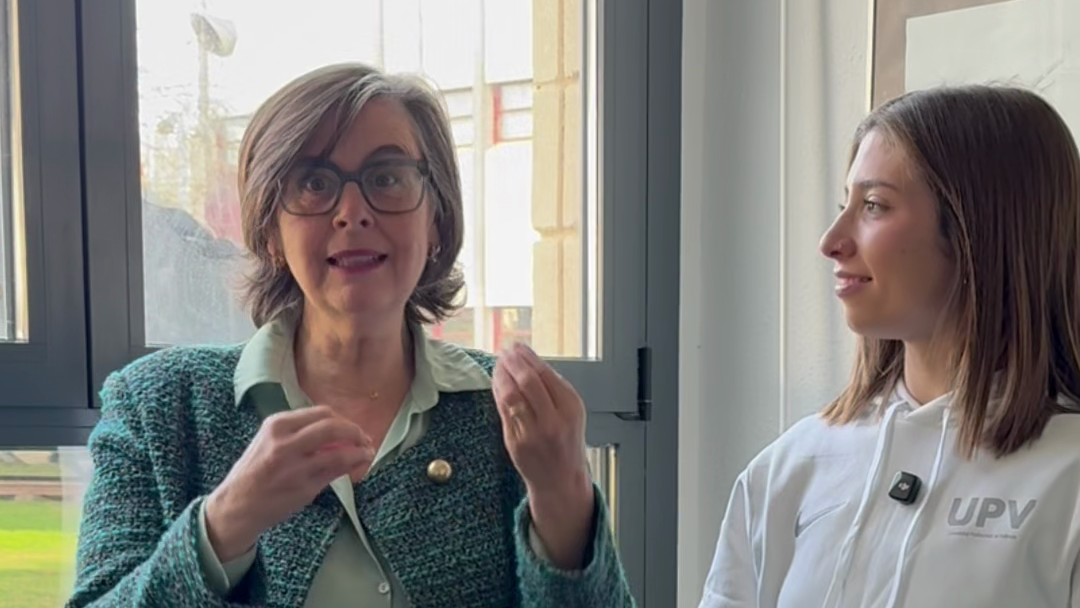
Amparo López Jiménez
Her spark for science comes from way back: ‘It was my natural sciences, mathematics and physics teachers who taught me that engineers bring science to society.
And then, at the age of 16, I knew: I would be an engineer.’
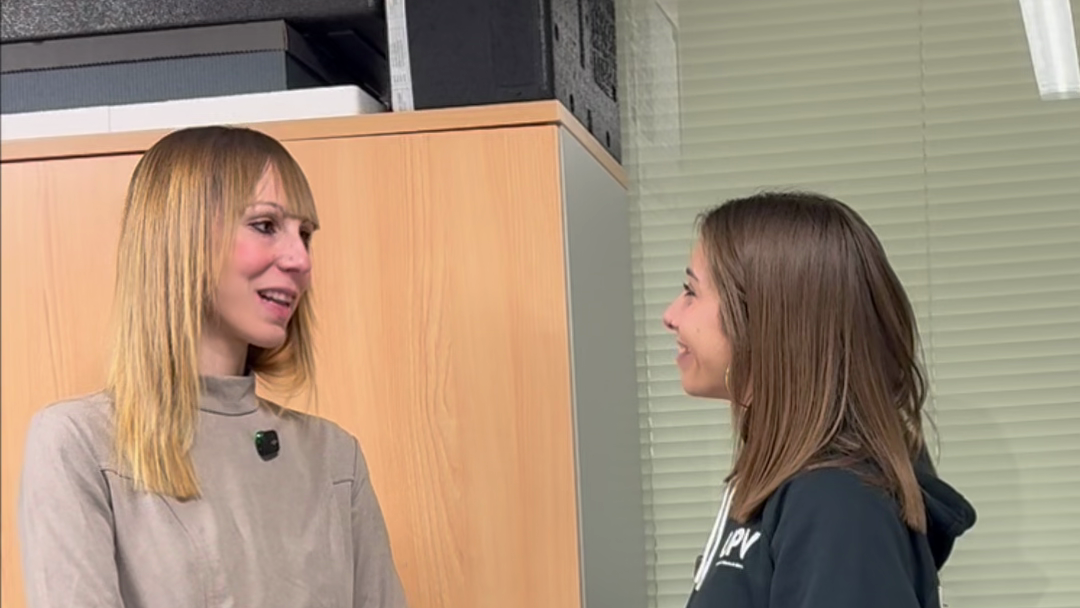
Andrea González Montoro
There have been many ‘sparks’ throughout her life: ‘starting with a strong scientific curiosity (technological and medical), followed by the brilliant scientists and mentors who have crossed my path, and ending with the motivation that comes from knowing that what we do has a direct impact on improving society. In my case, in the field of nuclear medicine’.
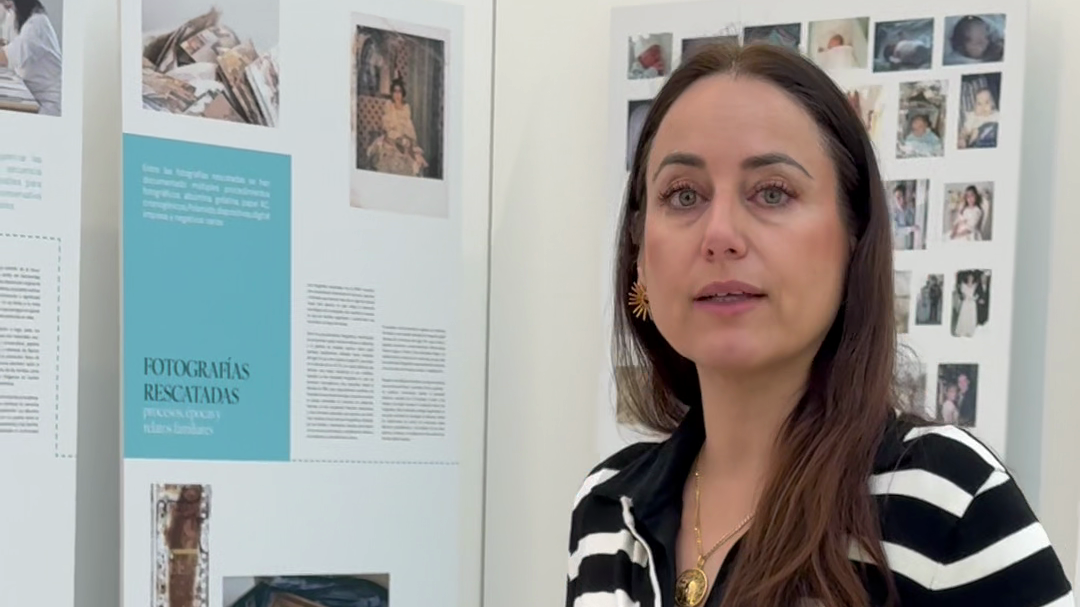
Esther Nebot Díaz
A book, La tabla de Flandes by Arturo Pérez-Reverte, sparked her scientific interest. That is where she discovered conservation and restoration as a profession. ‘I soon realised that restoration required science and that I could combine both vocations, so I decided to change direction and train as a conservator-restorer.’
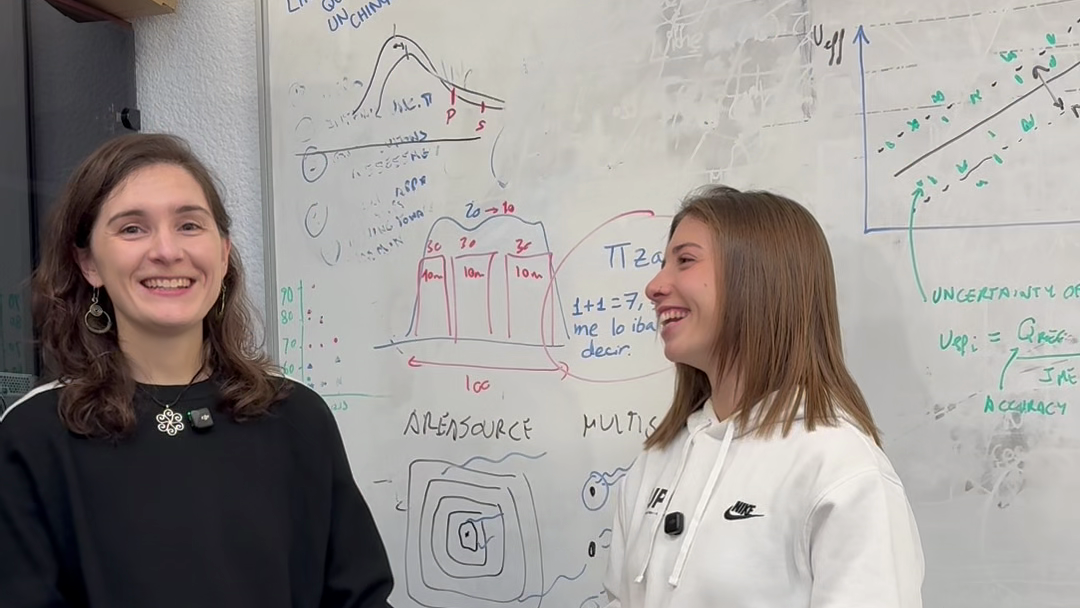
Itziar Irakulis Loitxate
Being aware of the worrying situation of the planet was the final spark that led her to research and seek solutions to the problems we face: ‘I grew up in a rural environment, surrounded by nature and beautiful landscapes, so to think that human action is damaging all that seems very selfish and unacceptable to me.’
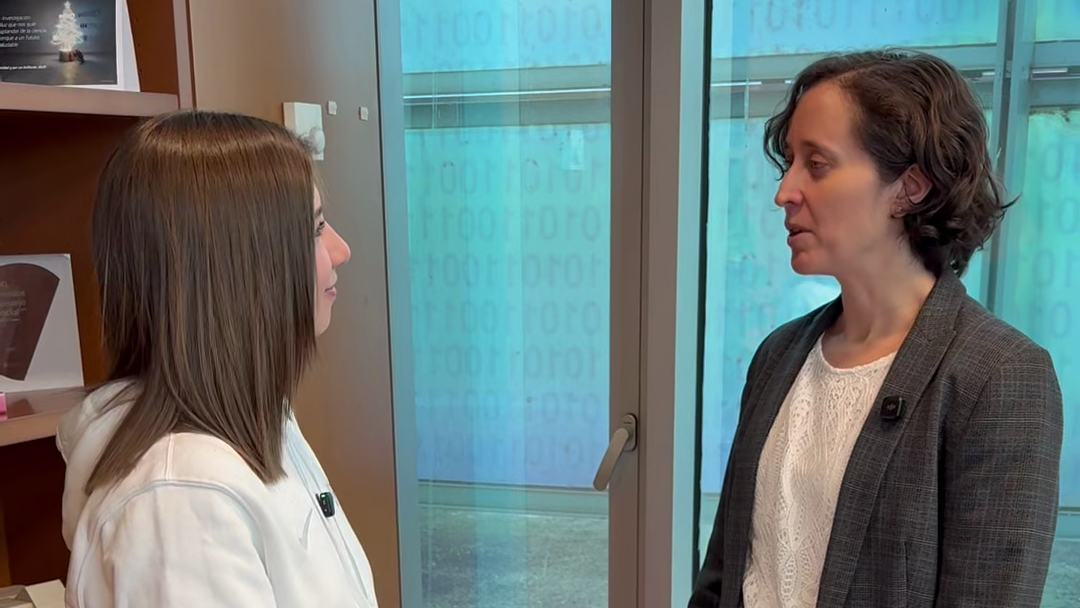
María S. Guillem Sánchez
María’s spark was ignited when she was finishing her degree in Telecommunications Engineering, when she began working on her final project at the age of 23, ‘That’s when I felt that my work could contribute to improving people’s lives. I then saw how important the interaction between technology and medicine is and its impact on those who need it’.
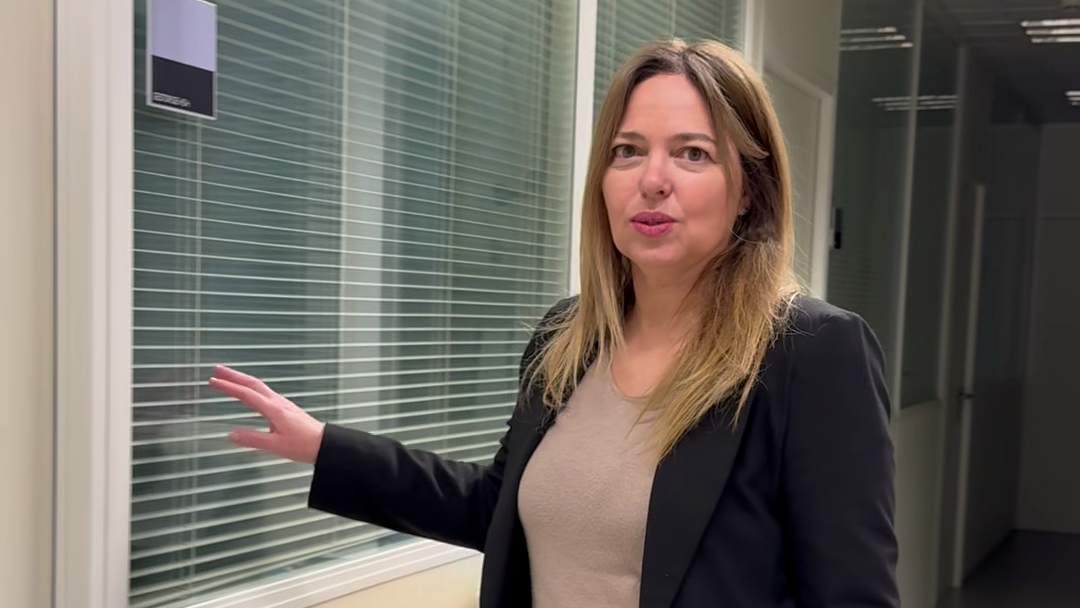
Josefa Mula Bru
Her spark came when she combined her final year project at the Ford plant with his first job at an SME, where, while implementing design, production, logistics, information, quality and environmental systems, he discovered the need to research new modelling approaches and technologies to solve the complex problems inherent in industrial systems. She was 24 years old at the time.
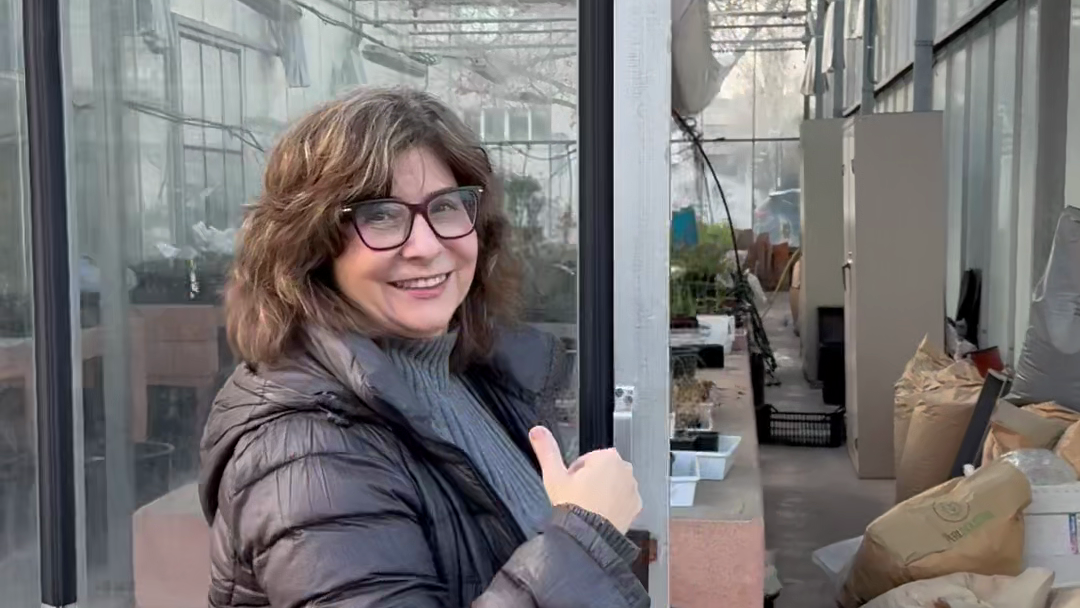
Mónica Tereza Boscaiu Neagu
‘As a child, I used to join my father on botanical excursions, which is why I decided to study biology. That was the spark that ignited my love of science.’ Monica is currently focused on studying the salt marshes of Valencia, the responses of halophytes to climate change and competition with invasive species.
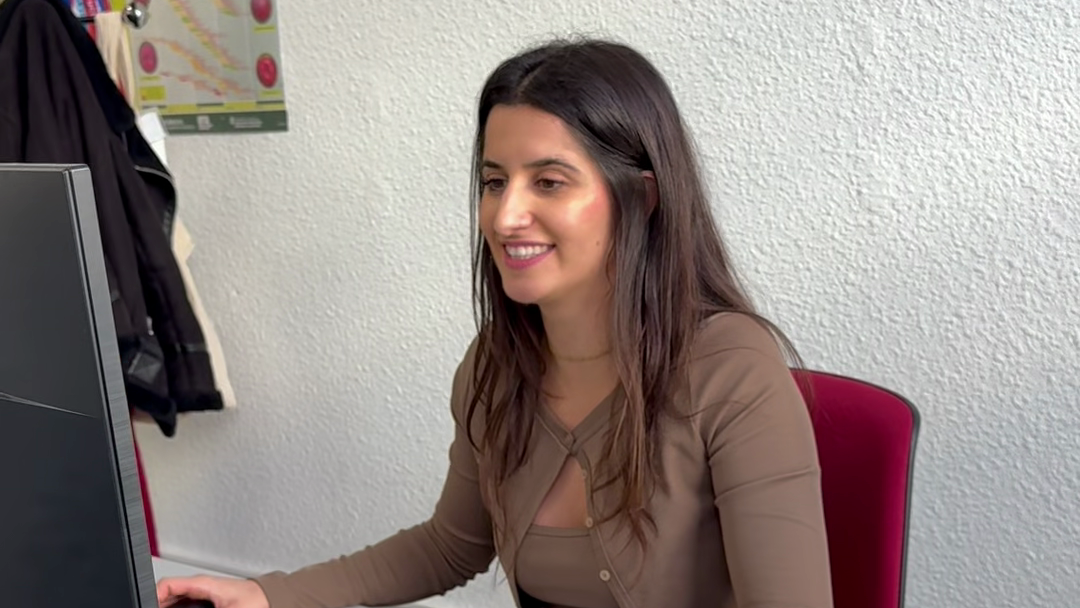
Nuria Chaparro Banegas
When she finished her degree and realised that what she was most excited about was continuing her education, Nuria knew that the spark had been lit. A spark that has been kept alive thanks to finding people at university who supported her, inspired her, ‘and made me feel that research was where I belonged’.
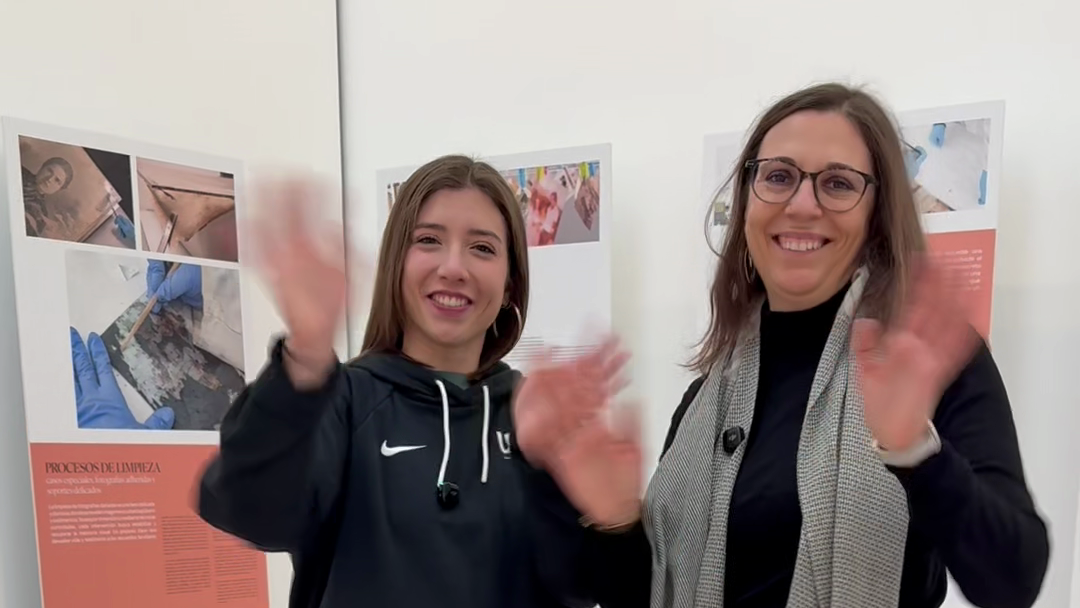
Pilar Soriano Sancho
At the age of just 15, it was another woman who sparked her interest in science: ‘My art teacher at school took us to visit the Faculty of Fine Arts, and when I saw Pilar Roig’s class, I knew what I wanted to do’. She currently focuses her research on conserving heritage and raising awareness of it.
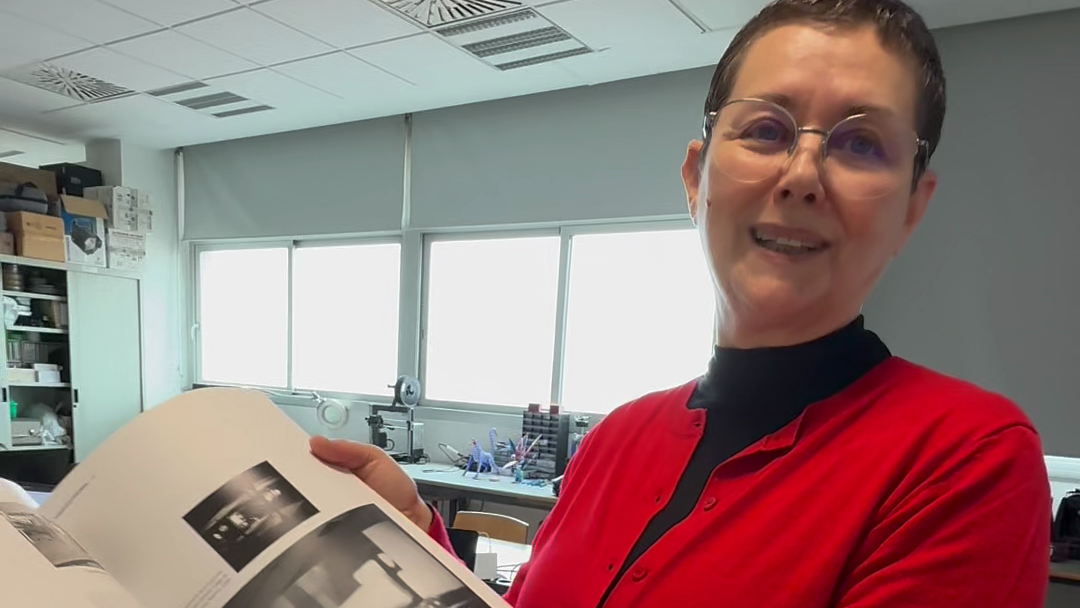
Salomé Cuesta Valera
Her spark was ignited at the Juan de Garay secondary school: ‘We were living in a very special time, with a group of teachers who introduced the content through challenges. We learned French by cooking, or we studied biology, philosophy or history by preparing the topics. At that moment, an interest in knowing more arose, a desire to learn, and that desire still continues today.’
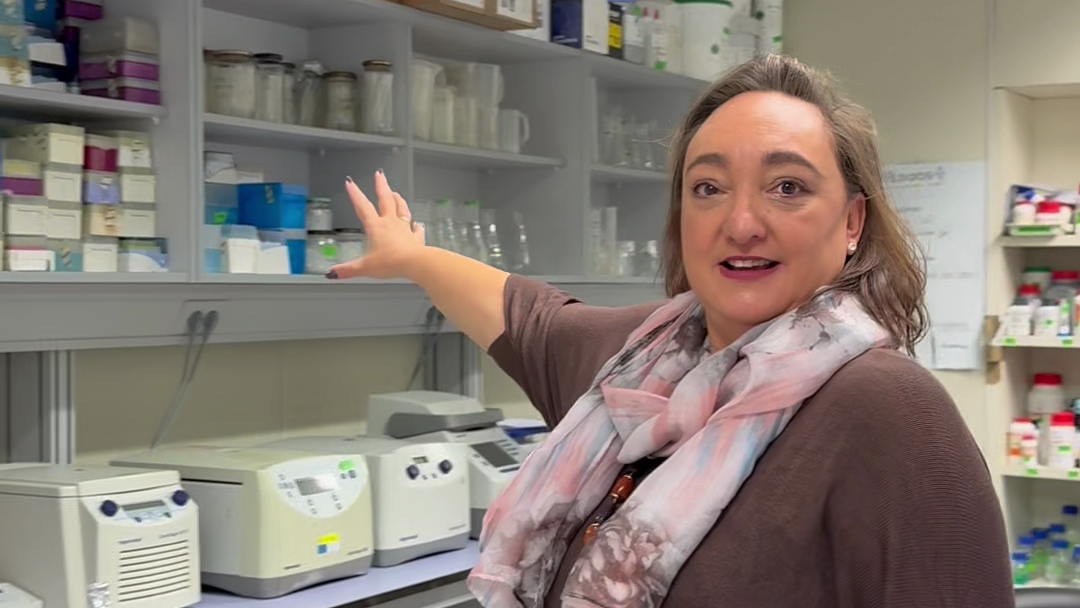
Rosa Porcel Roldán
What is inside a living being? That question, which little Rosa, only 7 years old, always had in mind, was what ignited her spark. Years later, her innocent curiosity led her to become a researcher and help ensure we can continue feeding ourselves with vegetables and greens, even in times of drought.
More projects:
‘Scientific artefacts. Women, identity, science and objects’
The UPV is hosting this exhibition until 27 February, offering an artistic and symbolic journey through the personal and professional lives of eleven women scientists through compositions created from significant objects, both personal and professional.
It can be visited at Espai n-1 in the Central Library of the Universitat Politècnica de València, Monday to Friday from 11 a.m. to 2 p.m. and from 4 p.m. to 7 p.m., and Saturdays from 11 a.m. to 2 p.m.
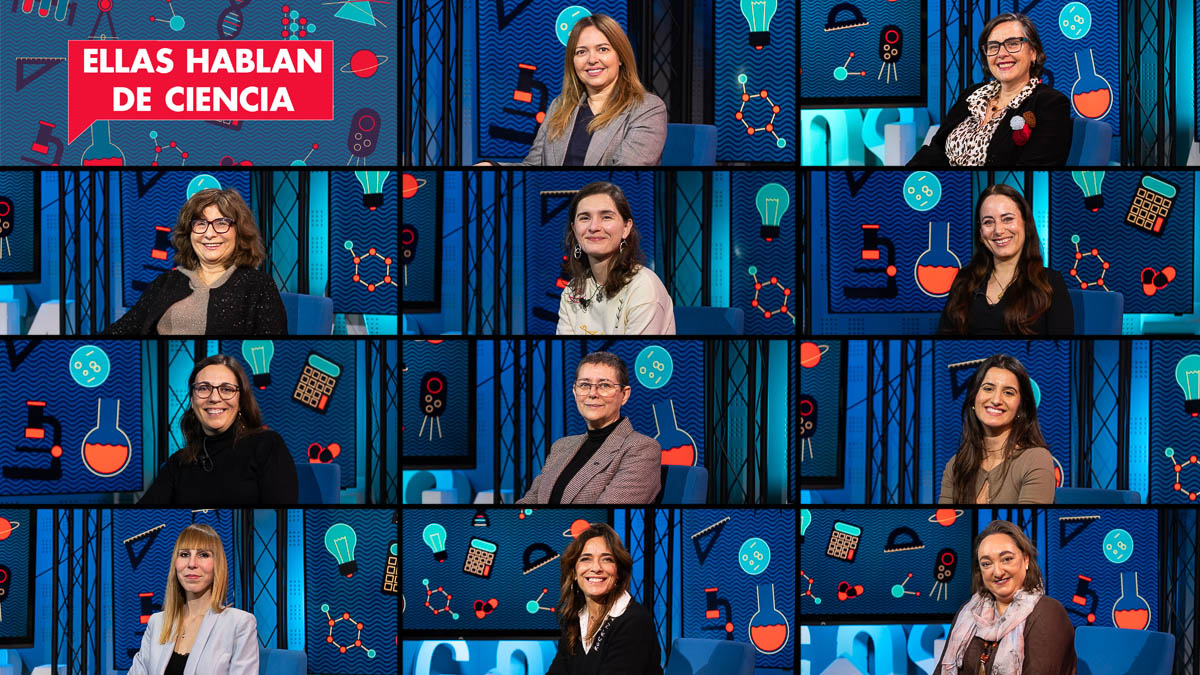
Ellas hablan de ciencia (They talk about science)
The eighth season of this programme features 11 new interviews with female researchers from the UPV, in which they recall how they came to the world of R&D&I, discuss their role models, and share unforgettable moments.
They also reveal their most immediate challenges and offer advice to young researchers and children who dream of becoming scientists.
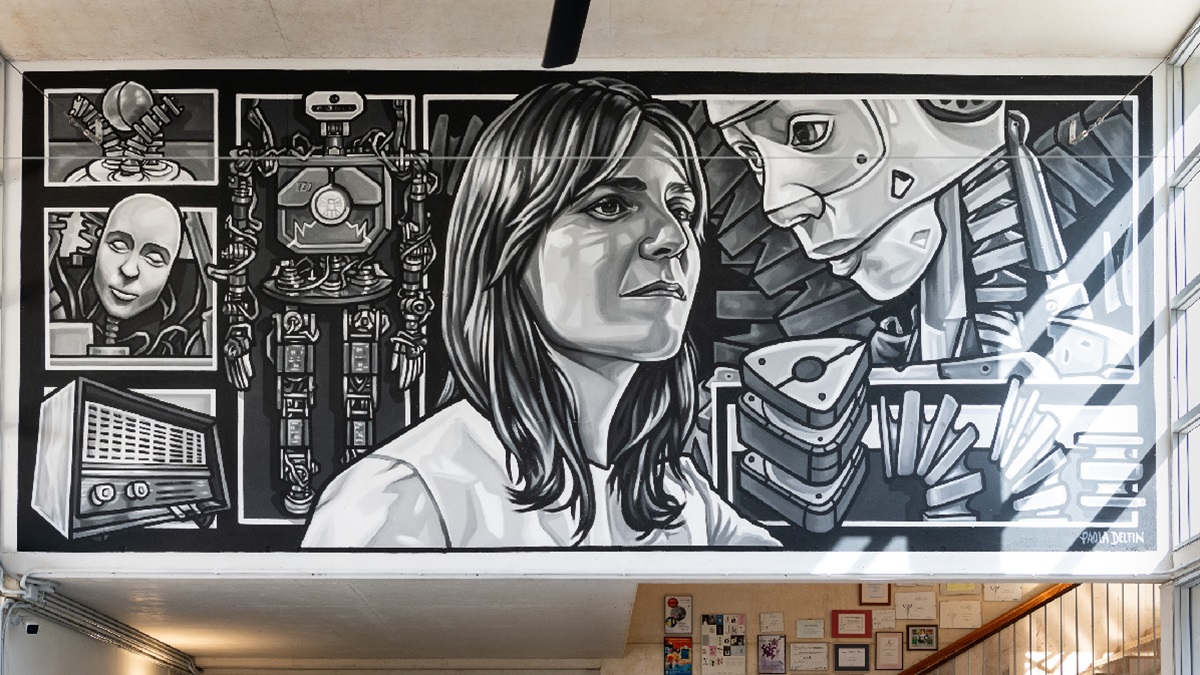
‘Dones de ciència’: 47 murals named after women
Since its inception, Dones de Ciència has brought together three languages that rarely dialogue with one another: urban art, scientific dissemination, and education. And it has done so with a clear purpose: to show new generations that science also has a female face, transforming educational centres into living spaces for learning.
Since 8 February 2019, when Margarita Salas unveiled the mural paying tribute to her on the façade of the UPV Rector’s office, 46 murals have come to life in this project. All of them pay tribute to leading figures in their respective fields and are created by women artists.
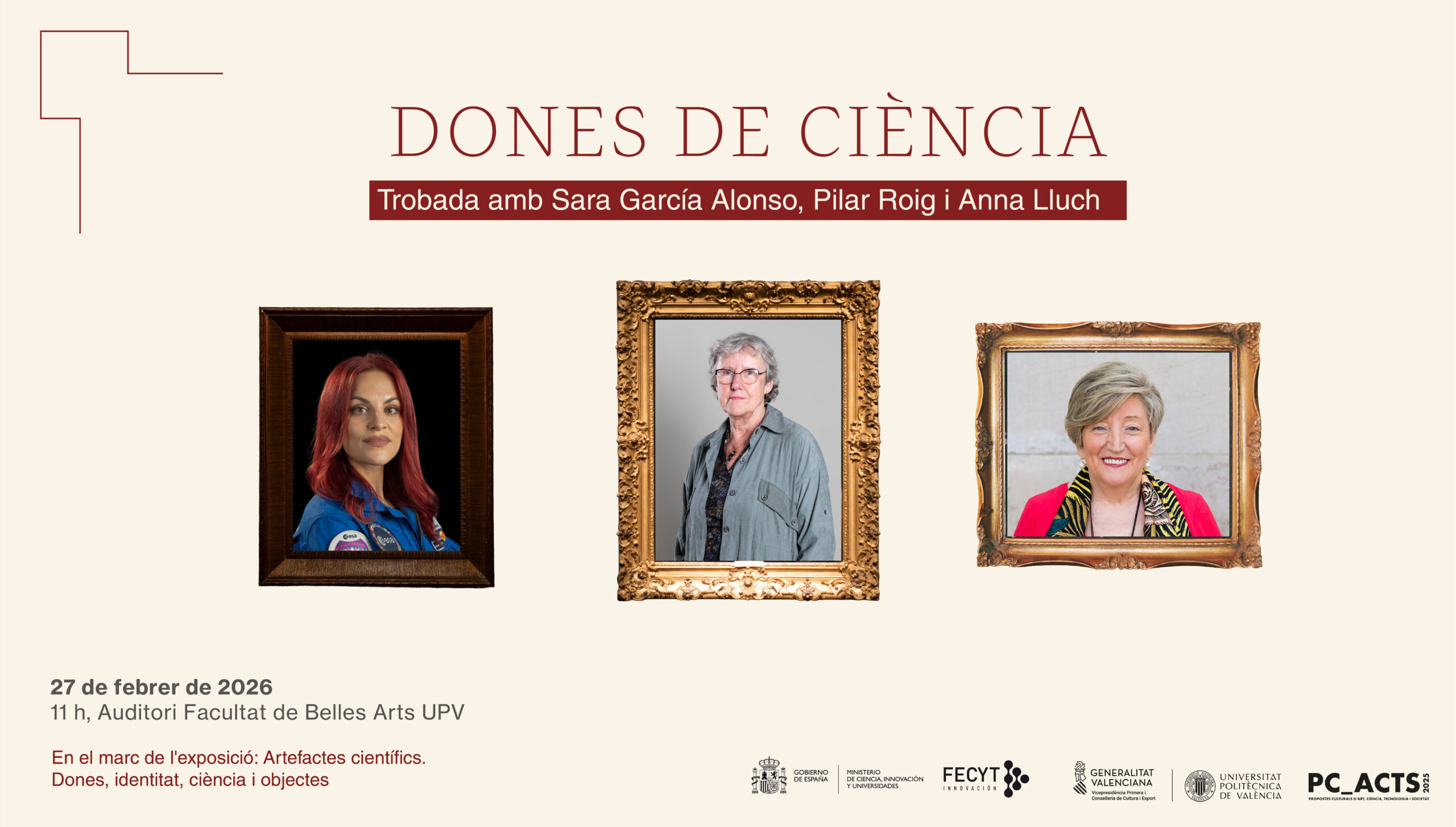
On 27 February, meeting with Sara García Alonso, Pilar Roig and Anna Lluch
To close the exhibition, the UPV has organised the meeting-colloquium’ Dones de Ciència’ (Women of Science). It will be held on 27 February at 11 a.m. in the Auditorium of the Faculty of Fine Arts. It will feature Sara García Alonso, Pilar Roig and Anna Lluch.
#11F #11FUPV
