

Inverse matrix calculation
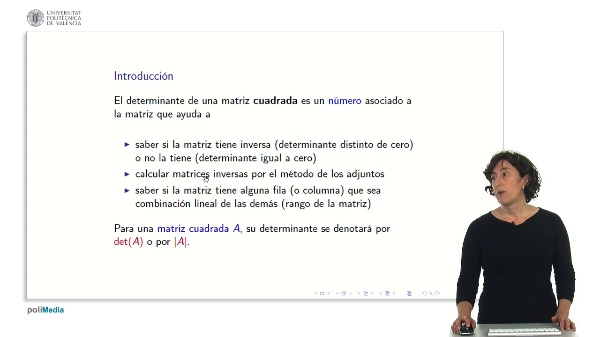
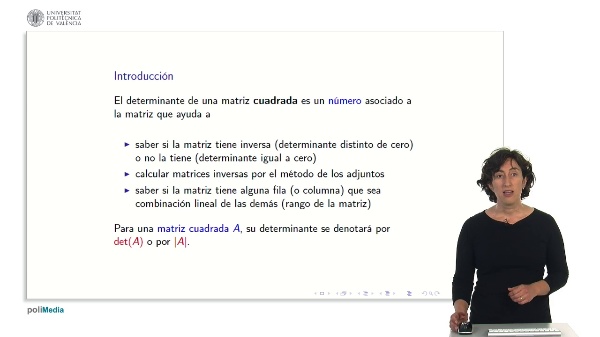
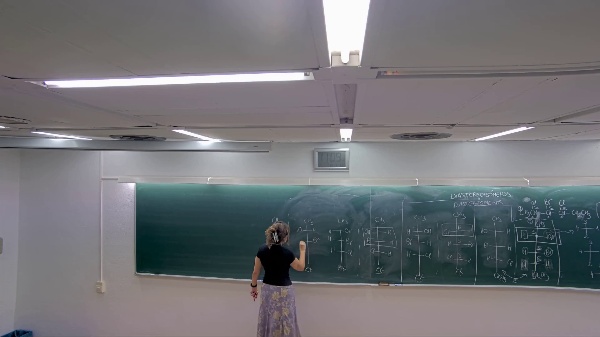
In this video, the presenter explains the process of calculating the inverse of a matrix using the method of adjoints. This method relies on understanding the determinant of a square matrix, which determines if an inverse exists (non-zero determinant) and its calculation. The instructor introduces the concept of a complementary submatrix, which is formed by excluding the row and column of a selected element within a matrix. This is used with the minor complementary, the determinant of the complementary submatrix, to define the adjoint of an element after applying the appropriate sign based on its position. The video goes on to describe how a matrix is considered invertible if its determinant is non-zero. To find its inverse, one divides 1 by the determinant and multiplies it by a matrix of the adjoints of the original matrix's elements. The lecturer walks through an example of this method using a specific matrix, highlighting the calculation of individual adjoints and confirming the inversion by showing the product of the original matrix and its inverse results in an identity matrix. This demonstration shows how to employ adjoints in the practical computation of inverse matrices.