

Admisión a grado
Tu futuro está más cerca de lo que crees
Descubre el proceso que te permite acceder a la mejor universidad tecnológica de España. Elige la vía de acceso correspondiente a tu perfil y comienza tu camino para convertirte en el dueño de tu futuro.
Proceso de admisión a grado paso a paso: bachillerato
Estás a las puertas de acceder a la universidad. Por eso, queremos ponerte las cosas fáciles y que sepas en todo momento qué tienes que hacer para adentrarte en uno de los momentos más emocionantes de tu vida. ¡Tu viaje comienza ahora!
01.
Conoce la UPV
Cada año la UPV organiza diferentes actividades para que estudiantes de bachillerato, ciclos formativos y familias conozcan de primera mano qué estudios ofrece la universidad, así como los servicios, recursos e instalaciones de sus tres campus.
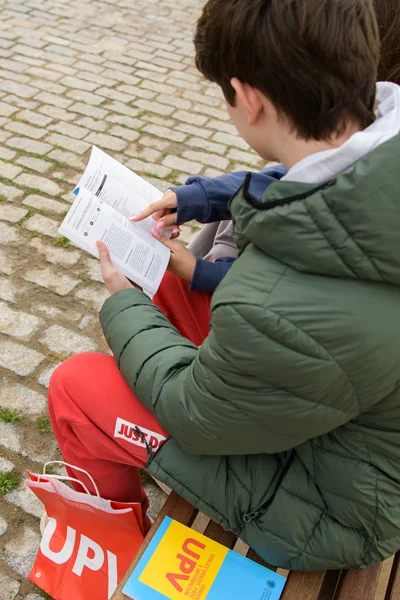
Jornadas de Puertas Abiertas
Descubre todo lo que la UPV puede ofrecerte

Videopódcasts OPEN
¿Es muy difícil la carrera? ¿Cuánto se cobra? Conoce nuestros grados
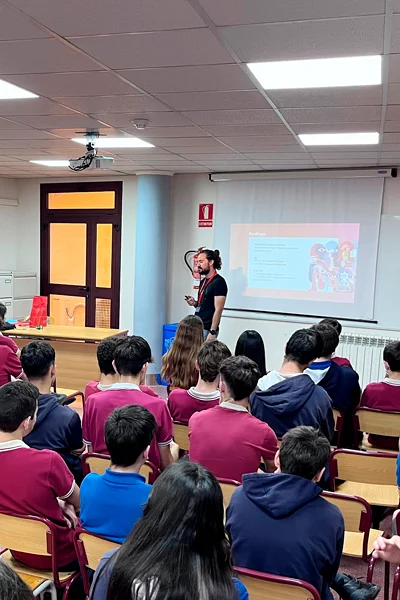
Red de Embajadores
¿Quieres una charla en tu centro? Infórmate aquí

Campus Praktikum
Programa de prácticas profesionales para estudiantes preuniversitarios

Geocaching
Más que un juego, una experiencia para crear comunidad
Otra información que te interesa conocer
02.
Elige estudios
¿Qué quieres estudiar? La UPV te ofrece decenas de opciones entre grados, dobles grados y PARS para que te formes en lo que más te gusta. ¡Tenemos lo que buscas, seguro!

IA orientadora
Tienes dudas, la IA te ayuda

Grados y dobles grados
Más de 40 grados, 17 dobles títulos...
¡Y subiendo!

Programas Académicos de Recorrido Sucesivo (PARS)
Pack de grado más máster

Estudia en China
4 grados, 6 másteres y 4 doctorados

Dobles titulaciones internacionales
Más de 60 convenios

Elige el idioma
Docencia en castellano, valenciano e inglés
Otra información que te interesa conocer
03.
Examínate de las PAU
Llegó la hora de la verdad, de poner en valor todo el esfuerzo empleado durante los últimos años. Aquí puedes encontrar toda la información clave necesaria para que tú solo te preocupes de hacer bien una cosa: bordar tu prueba.
Fechas y horarios
Fechas y horarios
- En términos generales, la matrícula de las PAU se realiza en el centro donde has estudiado bachillerato.
- Si has estudiado bachillerato en otra comunidad autónoma, consulta la información en la universidad a la que está adscrito tu centro.
- Si has estudiado bachillerato internacional o procedes de un centro extranjero, consulta el apartado Internacional
- En todos los casos, tras las PAU deberás realizar la preinscripción.
Fase obligatoria
Convocatoria ordinaria: 2, 3 y 4 de junio de 2026.
Convocatoria extraordinaria: 30 de junio, 1 y 2 de julio de 2026.
¡Comprueba que no haya errores!
Si los hubiera, comunícalo lo antes posible y siempre durante la mañana del primer día de las pruebas, tanto al representante de tu centro como al tribunal.
Fase voluntaria
Para examinarte en la Comunidad Valenciana solo de la fase voluntaria, tienes que haberte empadronado en esta comunidad antes del 1 de enero del año en que se realizan las pruebas o justificar que trabajas en esta comunidad. Si es tu caso, acude al centro de educación secundaria donde se imparte bachillerato más cercano a tu domicilio.
Instrucciones PAU
Instrucciones PAU
El tribunal te entregará tu horario personalizado.
Estas etiquetas contienen datos que identifican a cada estudiante: DNI, nombre y apellidos y materias matriculadas. En caso de que detectes algún error, debes avisar inmediatamente al vigilante del aula para que haga las comprobaciones oportunas.
Además de estos datos, en las tarjetas también figuran el usuario y la clave para que accedas al portal donde consultar las notas, así como realizar todas las gestiones relativas a las PAU.
Si has cursado bachillerato en la Comunidad Valenciana, debes matricularte de las PAU en el centro donde has cursado Bachillerato.
Si has estudiado Bachillerato en otra Comunidad Autónoma, debes examinarte de las PAU (fases obligatoria y voluntaria) en esa comunidad, en la universidad a la que esté adscrito tu centro.

Resultados
Resultados
Los resultados de los exámenes de las PAU se publicarán en el portal del alumno PAU en las siguientes fechas:
- Convocatoria de junio: 12 de junio, a partir de las 13 h
- Convocatoria de julio: 7 de julio, a partir de las 17 h

Revisión
Revisión
¿Quieres solicitar la revisión de alguna prueba? Puedes iniciar las gestiones pertinentes desde el portal del alumno PAU en las fechas:
- Convocatoria ordinaria: 15, 16 y 17 de junio (hasta las 14 horas del día 17)
- Convocatoria extraordinaria: 8, 9 y 10 de julio (hasta las 14 horas del día 10)

Calendario y horarios de las PAU
Consulta el día y hora de tus pruebas

Tribunales y sedes junio
Información importante sobre la convocatoria ordinaria

Tribunales y sedes julio
Información importante sobre la convocatoria extraordinaria

Modelos de examen
Haz un repaso con pruebas de ejemplo
Otra información que te interesa conocer
04.
Haz tu preinscripción
Has logrado lo más difícil. ¡Enhorabuena! Si ya has elegido los estudios en los que te gustaría formarte, llega el momento de realizar la preinscripción. Toma nota de todos los datos y... ¡A por ello!
O lo que es lo mismo, cómo solicitar plaza
O lo que es lo mismo, cómo solicitar plaza
El período para hacer la preinscripción discurrirá del 15 de junio al 3 de julio de 2026 (hasta las 14 h del 3 de julio).
Para estudiantes de sistemas extranjeros, la preinscripción es del 15 de junio al 7 de julio de 2026 (hasta las 14 h del 7 de julio). No hay un segundo plazo. Podrán adjuntar sus notas hasta el 31 de julio, pero sólo si han hecho la preinscripción en plazo.
La preinscripción para acceder a los estudios de la UPV se realiza a través de una aplicación que habilita la Generalitat Valenciana.
Es recomendable que, antes de acceder al proceso, leas atentamente las instrucciones para realizar el procedimiento, así como la guía para saber cómo identificarte:
- Acceso a la aplicación con clave PAU (video)
- Acceso a la aplicación con certificado digital (video)
- Acceso a la aplicación con otros métodos (video)
Recuerda: es muy importante que indiques las titulaciones POR ORDEN DE PREFERENCIA, o te quedarás fuera de las listas de espera de la titulación que te interese.
Además, desde la UPV organizamos un tutorial de ayuda donde te explicamos de forma sencilla qué pasos que tienes que seguir para preinscribirte correctamente en los estudios que desees. Puedes acceder al recurso desde la sección 'Tutorial de ayuda'.

Tutorial de ayuda
Tutorial de ayuda
¿Tienes dudas sobre cómo hacer la preinscripción a un grado? ¿No sabes cómo ordenar las titulaciones en las que quieres conseguir plaza? ¿Qué es mejor: colocar primero las carreras en las que tienes más posibilidades de acceder o las que más te gustan? ¿Y si quieres anular una preinscripción y empezar de nuevo? ¿Cuántas preinscripciones puede hacer cada estudiante?
Resuelve todas estas dudas con el tutorial ‘SOS Preinscripción’ y descubre qué pasos tienes que seguir para hacer tu solicitud correctamente.

Resultados
Resultados
Consulta los resultados de tu preinscripción a los estudios de grados, dobles grados y PARS de la UPV en estas fechas:
- El viernes 10 de julio, a partir de las 13 h.
Reclamación de los resultados de preinscripción
- Fechas: Del 14 al 16 de julio (hasta las 14 h del día 16)
- ¿Cómo hacer la reclamación?: A través de este enlace.
- Resolución de reclamaciones: 18 de julio, a las 14 h
Preinscripción admitida
¿Has sido admitido en la preinscripción? En esta página de la automatrícula, encontrarás la fecha y hora a la que debes matricularte. Recuerda que la matrícula se realiza a través de internet y que es muy importante llevarla a cabo en el horario asignado, ya que, en caso contrario, se entiende que renuncias a tu plaza y esta vacante se asignará a otro estudiante a través de las listas de espera.
Te proporcionamos más información sobre el proceso y fechas de matriculación en la sección 5 ‘Realiza la matrícula’.
Listas de espera
Listas de espera
Las listas de espera permiten a los candidatos que no fueron admitidos inicialmente en un programa específico (grado, doble grado, o Programas Académicos de Recorrido Sucesivo - PARS) tener una oportunidad de ocupar plazas que se liberen posteriormente. Esto puede ocurrir si los candidatos admitidos inicialmente deciden no matricularse o cancelan su matrícula.
Importante. El estudiantado deberá confirmar si desea continuar en las listas de espera del 10 al 15 de julio (hasta las 14 horas del día 15). En caso de no confirmar su deseo de continuar en las listas de espera, perderá todos los derechos de admisión en las correspondientes titulaciones universitarias. El estudiantado que haya confirmado su continuidad en las listas de espera podrá anular dicha continuidad en las titulaciones que desee, entrando en la misma plataforma de preinscripción.
La Generalitat Valenciana centraliza las listas de espera y la adjudicación de plazas y vacantes de todas las universidades públicas valencianas. Después de la adjudicación inicial del viernes 10 de julio de 2026, habrá 7 adjudicaciones más como resultado de los movimientos de las listas de espera:
- Viernes 17 de julio
- Jueves 23 de julio
- Miércoles 29 de julio
- Jueves 3 de septiembre
- Jueves 10 de septiembre
- Jueves 17 de septiembre
- Jueves 1 de octubre - última adjudicación conjunta.
Finalizados los llamamientos centralizados, la gestión de la adjudicación de plazas la realizará cada universidad.
05.
Realiza la matrícula
Estás muy cerca de formar parte de la comunidad UPV. Si has llegado a este paso es porque tu preinscripción ha sido aprobada y ahora toca formalizar la matrícula. ¡Estamos deseosos de conocerte!
Recibirás una cita
Recibirás una cita
El sistema para realizar la matrícula tanto para grado, doble grado y PARS de nuevo ingreso, es el mismo. Los estudiantes admitidos recibiréis una cita para la automatriculación en el grado, doble grado o PARS donde hayáis sido admitidos.
Admitidos en preinscripción: 14 y 15 de julio de 2026 (se puede acceder a automatrícula desde la fecha/hora de la citación hasta las 23:59 del día 15 de julio).
Completa el proceso de matrícula de forma sencilla a través de la plataforma de automatrícula.

Tutorial de ayuda
Tutorial de ayuda
El proceso de matrícula y el funcionamiento de las listas de espera generan cada año muchas dudas. Por eso, la Universitat Politècnica de València (UPV) organiza una sesión informativa online, titulada SOS Matrícula, dirigida a quienes van a matricularse por primera vez en un grado en la UPV o están en lista de espera.
Otra información que te interesa conocer
06.
Comienza tu aventura
¡Enhorabuena! Ya eres oficialmente estudiante de la Universitat Politècnica de València. Hasta que comiencen las clases, ¿qué tal si empiezas por aquí? No te pierdas estos contenidos que pueden ayudarte a empezar.

Jornadas de acogida
La UPV te da la bienvenida al nuevo curso

Calendario académico
Consulta las fechas clave de este año lectivo.

Carné UPV
Te explicamos el proceso de acreditación de la comunidad universitaria.

Cursos MOOC de nivelación
¿Qué tal si hacemos un repaso a los conceptos básicos de las materias principales? Tienes múltiples formaciones para hacerlo.

PoliFormaT
Es la plataforma de la UPV donde encontrarás todo lo relacionado con tu estudios: asignaturas, apuntes, tareas, calificaciones...Conoce más.


¡Esto te interesa!
Consulta la información importante sobre lo que te puede ofrecer la UPV

Becas y ayudas
Diferentes instituciones públicas y la propia UPV te ofrecen ayudas para realizar tus estudios.
Más información
Plan Integral de Acompañamiento al Estudiante
Descubre nuestro método para acompañarte durante tu estancia en la UPV.
Más información
Premios al mejor expediente de acceso a la universidad
Si te has presentado a la convocatoria de junio de la PAU y has obtenido una nota definitiva entre 12 y 14... ¡Esto es para ti!
Más información
Alojamientos
Alquilar una habitación, estancia en un colegio mayor, piso compartido con familias... Las opciones son muchas. Nosotros te ayudamos.
Más información
Vida universitaria
Programas deportivos, aprender idiomas, agenda cultural... ¡Te lo pasarás en grande!
Más información